Some cities are known through their writers. Just as Joyce portrayed Dublin, Andrés Caicedo portrayed Cali. In the 1970s, a group of young caleños, as people from Cali are called, obsessed with cinema founded a film club, launched a magazine and made films that are still studied today. The movement was jokingly nicknamed “Caliwood.” And one of them wrote the novel that best captures the salsa-fueled, party-going Cali of that decade: ¡Que viva la música!, published in English as Liveforever.
This is their story, and a route through the city of its pages.
Who was Andrés Caicedo (1951–1977)?
Luis Andrés Caicedo Estela was born in Cali on September 29, 1951. In just 25 years, he was a writer, playwright, screenwriter and film critic, at a time when the city was going through an intense cultural transformation.
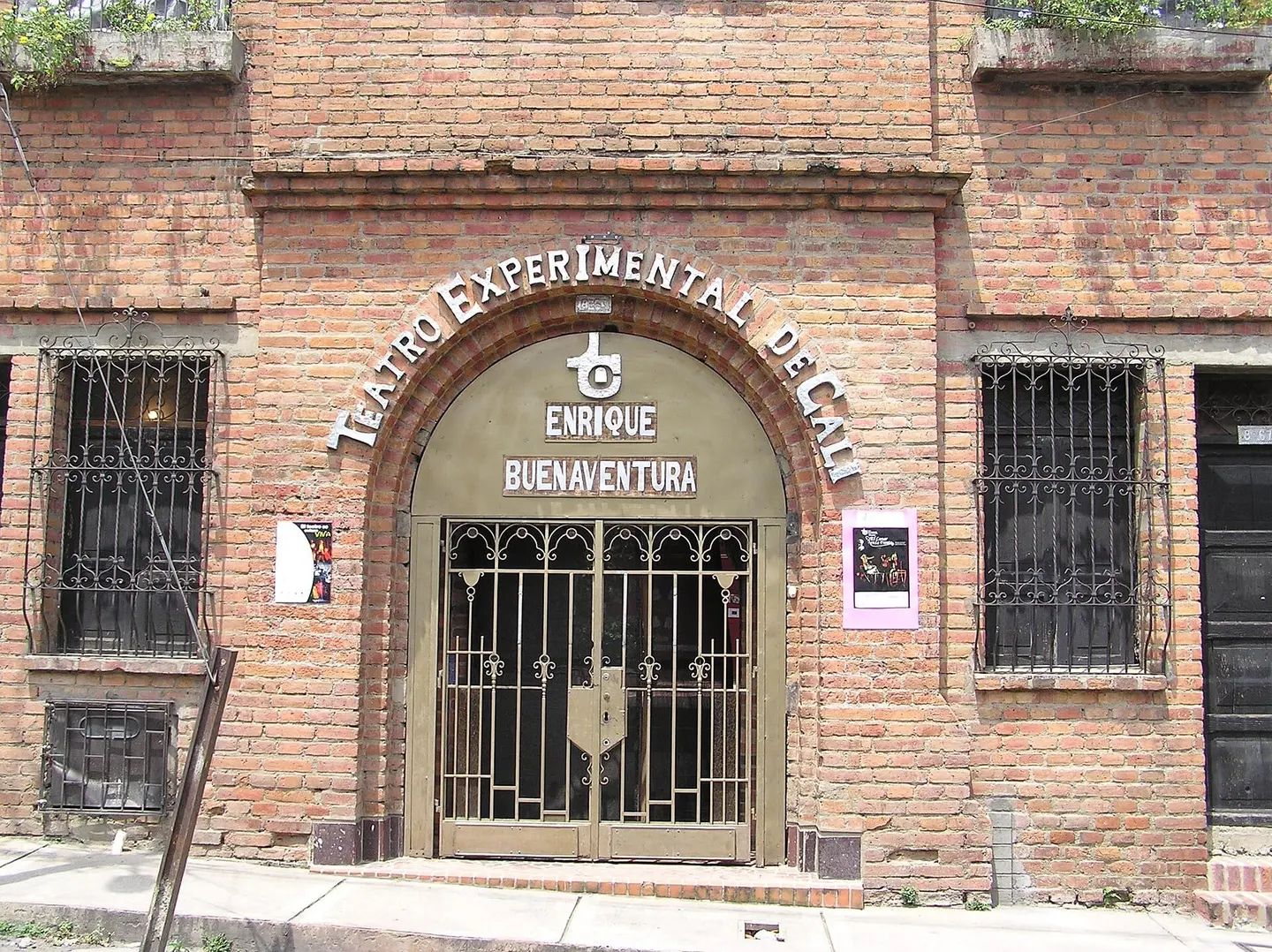
He wrote from childhood. By the late 1960s he was staging plays, and in 1971 he left university to join the Teatro Experimental de Cali (TEC) as an actor, working with director Enrique Buenaventura. He published film criticism in the city’s newspapers and was obsessed with films, rock, especially the Rolling Stones, and salsa.
Caicedo died by suicide on March 4, 1977. ¡Que viva la música!, the only novel he finished, reached bookstores in April that year, published by the Colombian Institute of Culture (Colcultura). It has been read ever since and is now translated into several languages.
¡Que viva la música!: from rock in the north to salsa in the south
The protagonist is María del Carmen Huerta, a young blonde woman from a well-off family in northern Cali. Bored with her world, she begins exploring the city from party to party: first to the rock of the Rolling Stones in the bars and clubs of the north, then to the salsa of Richie Ray and Bobby Cruz in the working-class neighborhoods of the south. Along the way, the novel shows the social contrasts of Cali at the time.
The city is almost another character. The journey runs from the north, with Avenida Sexta and Versalles park, to the south, with the Caseta Panamericana dance hall, the Pance River and the neighborhoods beyond Miraflores. The Caseta Panamericana is where Richie Ray and Bobby Cruz played the 1968 Feria, the night that changed salsa history in Cali, as we tell in why Cali is the salsa capital of the world.
Caicedo dedicated the novel to Clarisol Lemos. Her brother, Guillermo Lemos, recalled taking Andrés to the Valle del Renegado, in Chipayá (Jamundí), where the novel’s psychedelic scene takes place.
In 2015, Cali director Carlos Moreno adapted it for the screen, with Paulina Dávila as María del Carmen. In English, both the novel and the film are known as Liveforever.
1971: the Cali Film Club, from the TEC to the Teatro San Fernando
In 1971, Caicedo founded the Cineclub de Cali (Cali Film Club) with Ramiro Arbeláez, Hernando Guerrero, Carlos Mayolo and Luis Ospina. Screenings began at the TEC theater, moved to the Teatro Alameda and finally settled at the Teatro San Fernando, which became a meeting place for a generation. As Ospina recalled, one of the reasons they started the film club was that they wanted to see the films themselves.
Around the film club was also Ciudad Solar, a house and cultural space where the group met, created and partied.
1974: Ojo al Cine, five issues that shaped film criticism
In 1974, Caicedo, Ospina, Mayolo and Arbeláez founded Ojo al Cine. In just five issues, it became one of the most important film magazines in Colombia, with an approach to film analysis inspired by the French critics of Cahiers du Cinéma.
Caliwood: the films of the Grupo de Cali
Led by Caicedo, Mayolo and Ospina, the so-called Grupo de Cali (Cali Group) moved from watching films to making them. They never set out to form a group: the name, and the nickname “Caliwood,” emerged on their own as their work expanded. Their films told the city’s story with an irreverent eye that broke the mold of Colombian cinema at the time. Some key titles:
- Oiga, vea (1971): Ospina and Mayolo’s first documentary. It tells the story of the 1971 Pan American Games in Cali through the people left outside the venues.
- Cali: de película (1973): a satirical look at the Feria de Cali, also co-directed by the pair.
- Agarrando pueblo (1977–1978): a mockumentary about two filmmakers who roam Cali’s streets looking for poverty to sell abroad. It’s a critique of what they called “pornomiseria” (poverty porn), and it won awards at festivals such as Oberhausen. The title is a Colombian idiom for fooling people.
- Pura sangre (1982): Ospina’s first fiction feature, a horror film inspired by the Monster of the Mangones, the killer who terrorized Cali in the 1960s.
- Carne de tu carne (1983): by Carlos Mayolo, one of the peaks of so-called “tropical gothic.”
- Todo comenzó por el fin (2015): Ospina’s documentary self-portrait of the Grupo de Cali.
Carlos Mayolo died in 2007, and Luis Ospina on September 27, 2019. Canal Trece said goodbye to him as “the last of Caliwood.”
A route through Caicedo’s Cali
These places appear in Caicedo’s life or work. Some have changed a lot since the 1970s, so they’re worth visiting more for the story than for what you’ll see today.
From downtown to the north
- Plazoleta Jairo Varela and the Cine Foro Andrés Caicedo: this city-run cinema, with 116 seats, is named after him and has screened free films. We couldn’t find its 2026 program, so check with the city’s Secretaría de Cultura before you go.
- Avenida Sexta: the novel’s party-going north, where María del Carmen’s journey begins. The plaza is the gateway to the avenue.
- Versalles park (Avenida 5 Norte at Calle 23BN): one of the novel’s party scenes takes place nearby.
- Sagrado Corazón de Jesús church (Avenida 3 Norte # 7-01, Centenario neighborhood): the former site of the Berchmans school, where Caicedo studied and which appears in his work.
From downtown to the south
- Teatro Experimental de Cali (TEC): where Caicedo acted and where the Film Club held its first screenings.
- San Antonio: the artists’ neighborhood where he had a studio apartment.
- Parque de Las Piedras (Carrera 35 at Calle 4, San Fernando neighborhood): the setting for one of the novel’s key turning points.
- Parque El Triángulo (Calle 4 at Carrera 25, San Fernando): another stop on the Caicedo route.
- The former Teatro San Fernando: the Film Club’s home. It’s now a Christian church, but according to Wikivoyage it keeps the theater’s facade and sign, visible from the Parque Panamericano, across from the Estadio Pascual Guerrero. Don’t confuse it with the Nuevo Teatro San Fernando, which opened across the street in June 2024.
- Barrio Miraflores: where María del Carmen discovers salsa. It has a viewpoint over much of the city.
- The Pance River: where the protagonist trades the elite’s swimming pools for the river.
Outside Cali
- The Valle del Renegado, in Chipayá (Jamundí): about 17 km (11 miles) from Cali, in the Farallones area, where the novel’s psychedelic scene takes place.
Where to start reading Caicedo
- ¡Que viva la música! (1977): the gateway. In English, Liveforever.
- El atravesado (1975): a story he self-published with his mother’s support.
- His short stories: collected in Todos los cuentos.
- Ojo al cine: a collection of his film criticism.
What did ¡Que viva la música! leave you with?
For many caleños, this novel changed the way they see their city. Email us at chrisavendano0508@gmail.com and tell us your favorite line from the book, the place in the novel you remember most or your favorite Caliwood film.
Frequently asked questions
Who was Andrés Caicedo?
A writer, playwright and film critic from Cali (1951–1977), author of the novel ¡Que viva la música! and co-founder of the Cali Film Club and the magazine Ojo al Cine.
What is ¡Que viva la música! about?
María del Carmen Huerta, a young upper-class woman from Cali who leaves her world behind to explore the city from party to party, first to rock and then to the salsa of the working-class neighborhoods.
What is Caliwood?
The tongue-in-cheek name for the Grupo de Cali: Andrés Caicedo, Luis Ospina, Carlos Mayolo, Ramiro Arbeláez and other young people who, in the 1970s, founded the Cali Film Club and the magazine Ojo al Cine, and made films like Agarrando pueblo and Pura sangre.
Is there a film of ¡Que viva la música!?
Yes. Cali director Carlos Moreno made it in 2015, with Paulina Dávila as María del Carmen. In English, it’s called Liveforever.
Where is the Cine Foro Andrés Caicedo?
On the second level of the Plazoleta Jairo Varela, across from the CAM, Cali’s city hall complex, downtown. Check the program with the city’s Secretaría de Cultura before you go.
If you’re going through a hard time, you’re not alone. In Colombia, you can call Line 106, the Ministry of Health’s national mental health line, free and at any time. In an emergency, dial 123. If you’re outside Colombia, contact your local emergency or crisis services.
Sources
- Wikipedia: Andrés Caicedo (opens in a new tab) and Luis Ospina (opens in a new tab) (in Spanish).
- Arcadia — Andrés Caicedo: the personal and creative life of the Cali writer, timeline (opens in a new tab) (in Spanish).
- Semana (Arcadia) — Andrés Caicedo: a chronology, February 25, 2002 (opens in a new tab) (in Spanish).
- Universidad del Valle, Centro Virtual Isaacs: Andrés Caicedo Estela (opens in a new tab) and Carlos Mayolo (opens in a new tab) (in Spanish).
- Señal Colombia — Andrés Caicedo, the film lover who turned Cali into a movie theater, September 29, 2026 (opens in a new tab) (in Spanish).
- Teatro Matacandelas — Andrés Caicedo (opens in a new tab) (in Spanish).
- Planeta de Libros — ¡Que viva la música! (opens in a new tab) (in Spanish).
- Revista Corónica — Guillermo Lemos: the Andrés Caicedo route, August 1, 2013 (opens in a new tab) (in Spanish).
- Wikivoyage — Ruta de Caicedo (opens in a new tab) (in Spanish).
- El Tiempo — Luis Ospina, a family self-portrait, May 11, 2016 (opens in a new tab) (in Spanish).
- Canal Trece — Caliwood, when film history became caleña, March 4, 2020 (opens in a new tab), and Remembering Luis Ospina, the last of Caliwood, September 28, 2020 (opens in a new tab) (in Spanish).
- Programa Ibermedia — Luis Ospina, the desire to make films, October 2019 (opens in a new tab) (in Spanish).
- Punto de Vista, Navarra Festival — Agarrando pueblo (opens in a new tab).
- Cali City Hall: the Plazoleta Jairo Varela and its Cine Foro, May 16, 2013 (opens in a new tab); the Cine Foro Andrés Caicedo, June 28, 2017 (opens in a new tab); and the Cali Film Club’s 50th anniversary, June 30, 2021 (opens in a new tab) (in Spanish).
- El País Cali — The Teatro San Fernando returns, April 21, 2024 (opens in a new tab), and the Nuevo Teatro San Fernando opens, June 8, 2024 (opens in a new tab) (in Spanish).
- Colombian Ministry of Culture — Colombian films released, 1996–2016 (opens in a new tab) (in Spanish).
- Colombian Ministry of Health — Line 106 (opens in a new tab) (in Spanish).
- CaliSucursal: guides to Plazoleta Jairo Varela, San Antonio, the Estadio Pascual Guerrero and Pance.