CaliSucursal · Wildlife
Zoológico de Cali
Wildlife Cali, Colombia
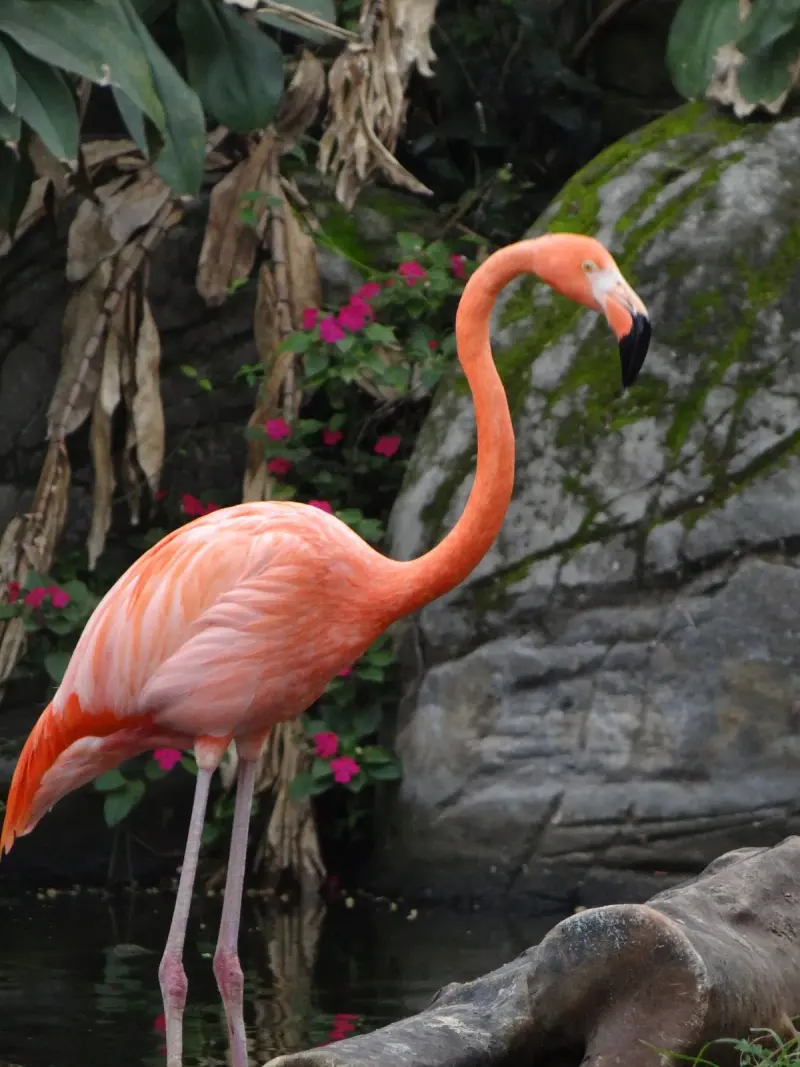
Flamingo 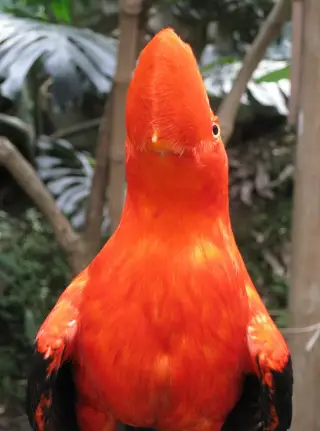
Cock-of-the-rock 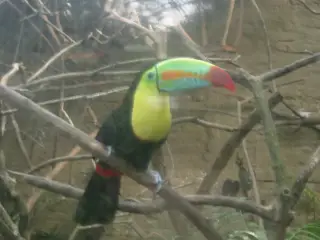
Toucan 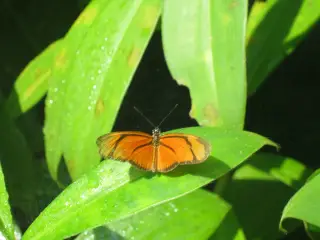
Butterfly 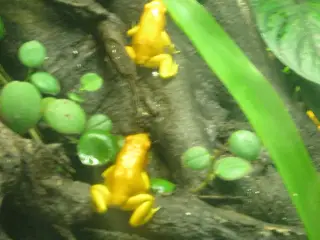
Yellow frogs 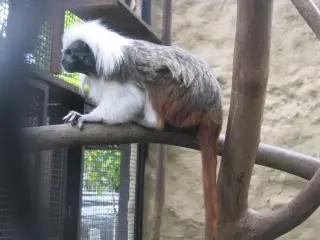
Cotton-top tamarin
On the banks of the Cali River, in the west of the city, Cali Zoo is home to more than 2,500 animals along a 2.4-kilometer route. It opens every day, and its zones recreate the Andes, the Amazon, Australia and Southeast Asia.
- Every day, 9 a.m. to 4:30 p.m.
- 2.4 km on foot, 2 ½ to 3 hours
- More than 2,500 animals
Your visit at a glance
CaliSucursal’s suggested time excludes travel to and from the site.
- Suggested time
- 2½–3 h for the full route, 2.4 km long.
- Cost and entry
- Paid admission: foreign visitors COP 55,000 (from age 13) and 45,000 (ages 2 to 12); general rate 40,000, 27,500 and 30,500 for those over 65. Buy online from the official website.
- Hours or availability
- Every day, 9 a.m. to 4:30 p.m., according to the official website.
- Mobility and accessibility
- The gift shop at the entrance rents wheelchairs (COP 10,000) and kids’ carts for ages 2 to 4 (15,000), subject to availability. The route is long: 2.4 km.
Getting thereDirections in Google Maps (opens in a new tab)Directions in Waze (opens in a new tab)
Cali River bank · Santa Teresita
Go around the world in 2.4 kilometers
Since 1969, Cali Zoo has grown beside the river, in the west of the city. A single walk takes you through the Andes, the Amazon, Australia and Southeast Asia, among more than 2,500 animals. Bring comfortable shoes: the full loop takes two and a half to three hours.
- opens its gates
- 1969
- animals
- 2,500+
- walking route
- 2.4 km
- every day
- 9am–4:30pm
Zoo passport
A stamp for every zone
The route crosses zones that recreate regions of Colombia and the world, each with its own buildings and animals. These are the ones not to miss.
The Andes
Por el camino de los Andes
Hacienda houses and park-ranger cabins among jaguars, condors and Andean bears. The Association of Zoos and Aquariums (AZA) named it best exhibit in 2022.
Who lives here
- Andean bear
- Andean condor
- Jaguar
- Mountain tapir
- Andean cock-of-the-rock
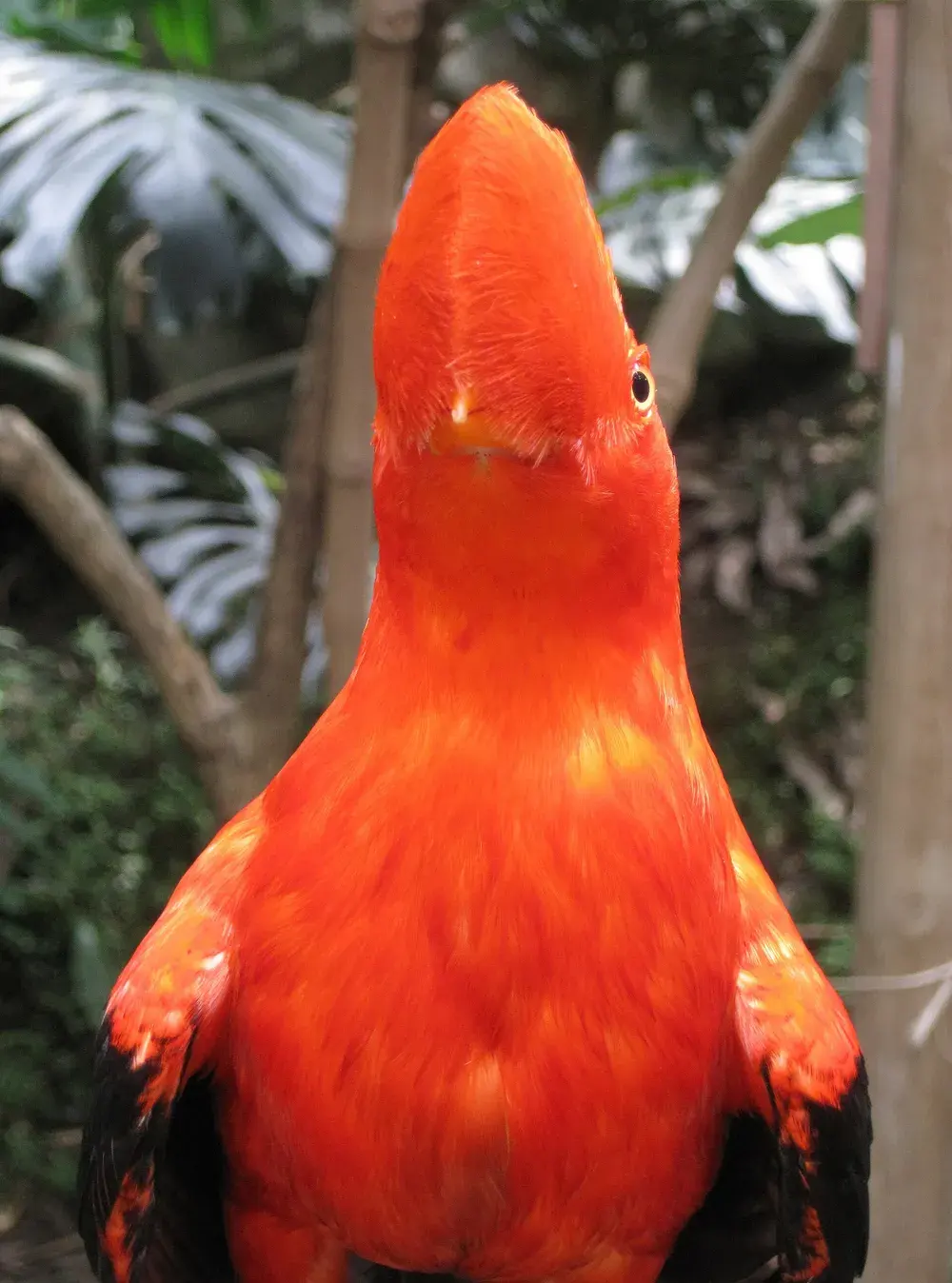
Andean cock-of-the-rock, at the zoo. The Amazon
La gente del agua
A maloca and an Amazon trail around a family of giant otters, an endangered species that some Indigenous cultures call “the water people.”
Who lives here
- Giant otter
Colombia’s rainforests
Jaziquima
In the Uitoto language, “the people of the jungle.” Six species of native primates and a lookout over the flamingo lake.
Who lives here
- Spider monkey
- Pygmy marmoset
- Woolly monkey
- Flamingo
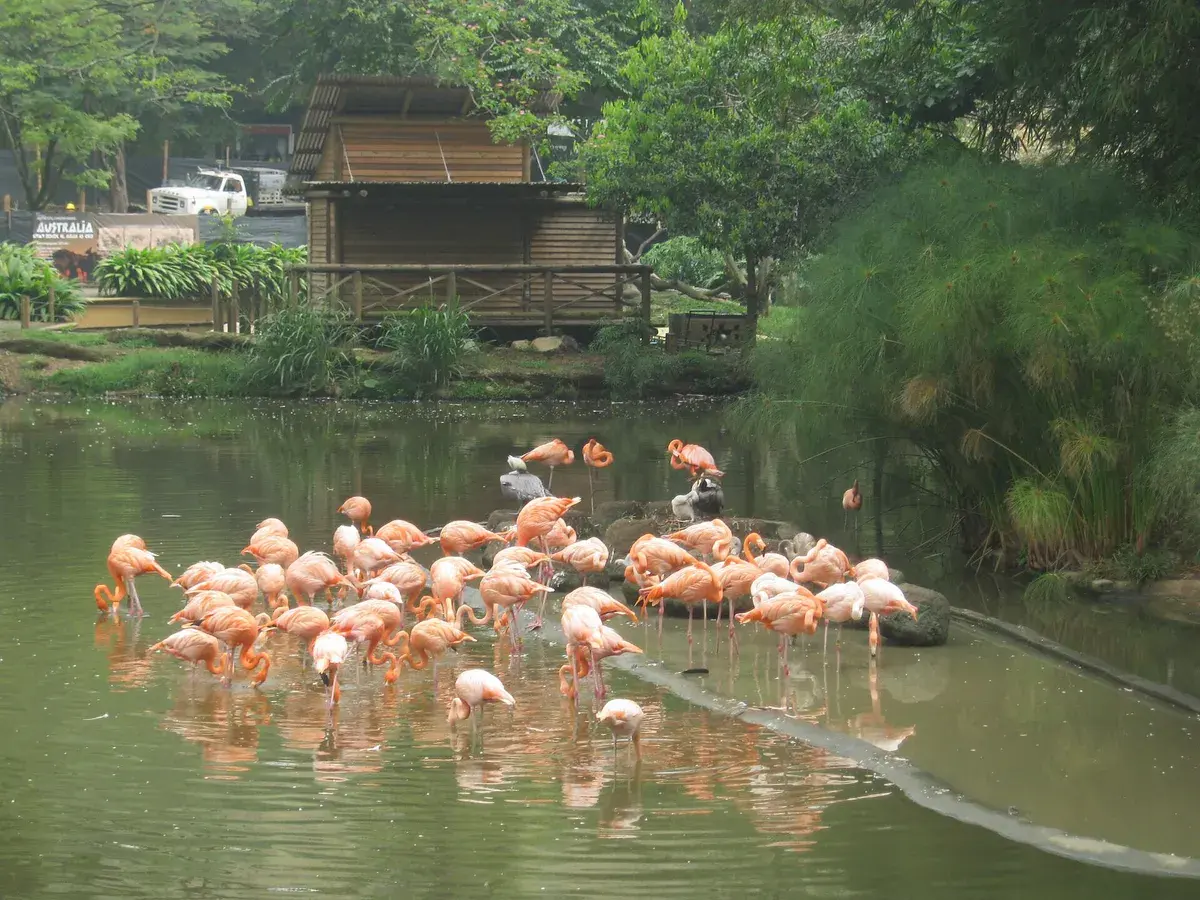
The flamingo lake, in Jaziquima. The Australian outback
Australia
A rustic outback farm, like those of the mid-20th century, about saving water in dry lands.
Who lives here
- Red kangaroo
- Bennett’s wallaby
- Emu
- Kookaburra
Southeast Asia
Asia Fantástica
More than 4,400 m² inspired by Ayutthaya, the old capital of Thailand, with ruins and stupas. It is the newest zone.
Who lives here
- Bengal tiger
- Komodo dragon
- White-handed gibbon
- Great hornbill
Rivers and seas
Aquarium
400 m² of fish from the Orinoco basin and the Amazon, the Pacific Ocean and the Caribbean Sea.
Who lives here
- River fish
- Sea fish
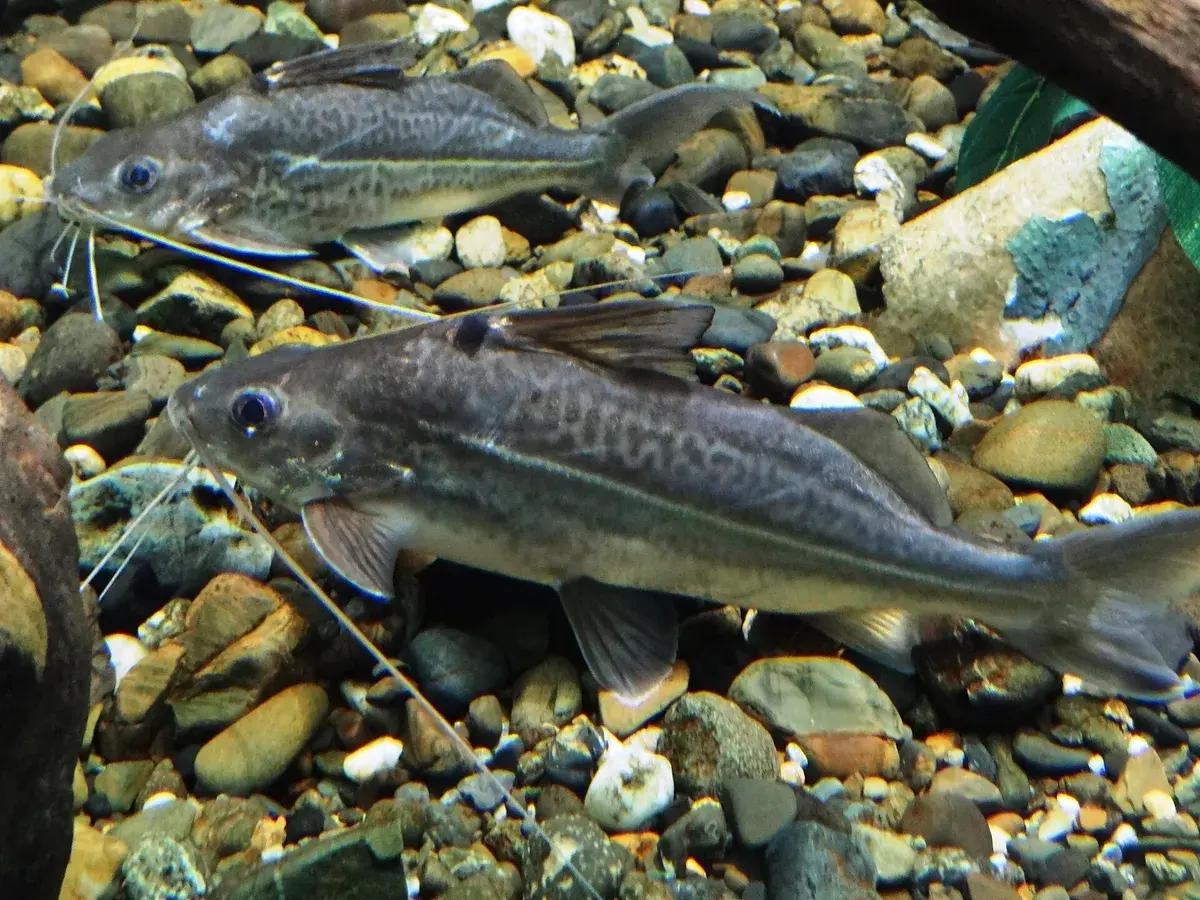
Catfish in the aquarium. Butterfly garden
Butterfly house
450 m² of butterflies raised from the egg. They are released in the morning, the best time to see them.
Who lives here
- Butterflies
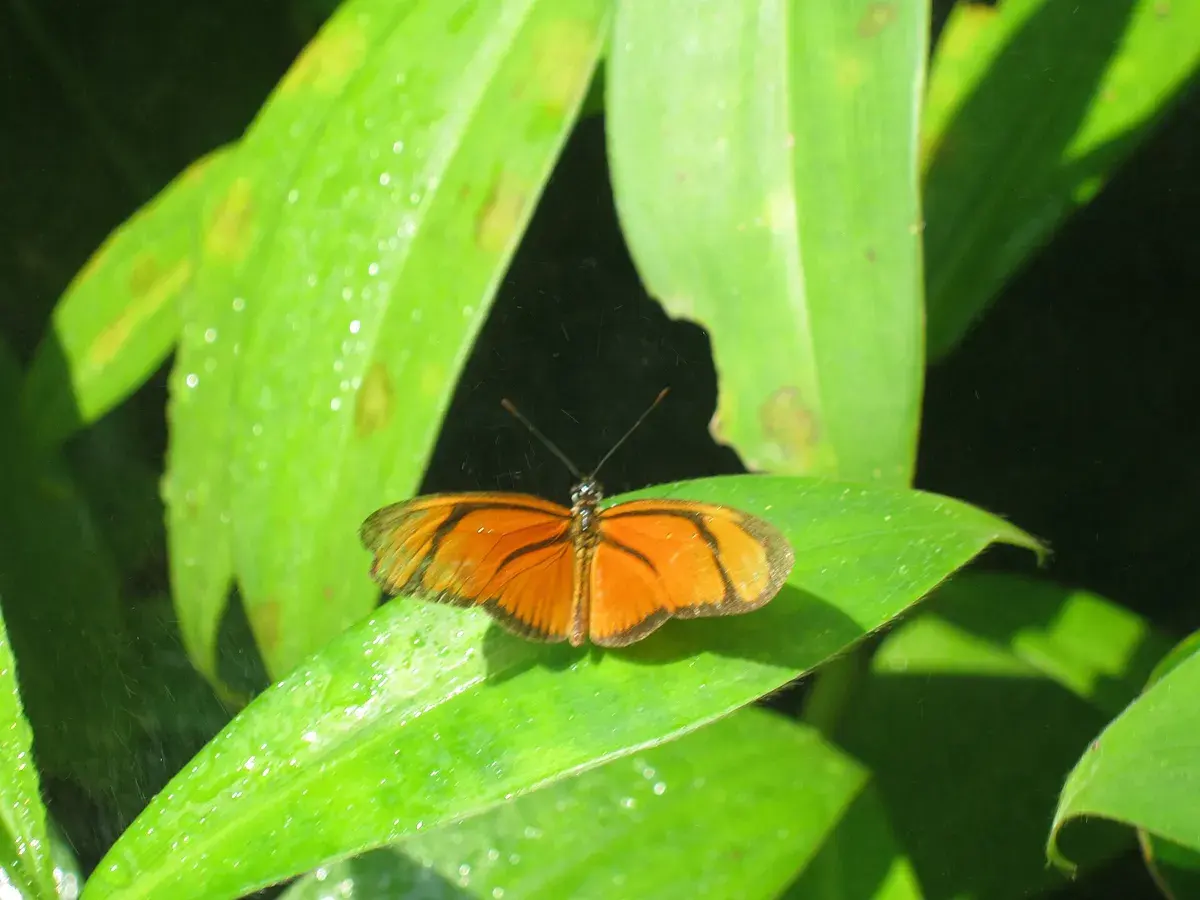
A butterfly at the zoo. Colombia’s frogs
Amphibians
Terrariums of poison frogs native to Colombia. The zoo helps protect the golden poison frog and Lehmann’s poison frog.
Who lives here
- Golden poison frog
- Lehmann’s poison frog
Yellow frogs in a terrarium.
Photos: Por el camino de los Andes, -padawan- (opens in a new tab) (CC BY-SA 2.0 (opens in a new tab)) · Jaziquima, Sahaquiel9102 (opens in a new tab) (CC BY-SA 3.0 (opens in a new tab)) · Aquarium, Petruss (opens in a new tab) (CC BY-SA 4.0 (opens in a new tab)) · Butterfly house, Juan Velasco (opens in a new tab) (CC BY-SA 4.0 (opens in a new tab)) · Amphibians, Sahaquiel9102 (opens in a new tab) (CC BY-SA 3.0 (opens in a new tab)). Album: Cotton-top tamarin, Leidy Estefani Sandoval Galindez (opens in a new tab) (CC BY-SA 3.0 (opens in a new tab)) · Toucan, Sahaquiel9102 (opens in a new tab) (CC BY-SA 3.0 (opens in a new tab)).
Behind the route
A zoo that also protects wildlife
1981
The Fundación Zoológica de Cali, a nonprofit, takes over the zoo, which had been close to shutting down.
2026
It is accredited by ALPZA for the second time, through 2031: animal welfare, conservation, education and research.
Today
It breeds giant otters and takes part in programs to save the golden poison frog and Lehmann’s poison frog.
A stop worth discovering
Discover Zoológico de Cali
It opened in 1969, and since 1981 it has been run by the Fundación Zoológica de Cali, a nonprofit. In March 2026 it was accredited for the second time by the Latin American Association of Zoos and Aquariums (ALPZA), through 2031.
Keep reading
Its zones include Por el camino de los Andes, with Andean bears, condors and jaguars; La gente del agua, home to the giant otters; an aquarium with fish from the Orinoco basin, the Amazon, the Pacific and the Caribbean; a butterfly house; and Asia Fantástica, opened in July 2025 with species such as the Bengal tiger and the Komodo dragon.
- Andean bears, condors and jaguars along the Andes trail
- The giant otters of La gente del agua
- Asia Fantástica, the newest zone, opened in 2025
Travel notebook
Stories for the road
History
The water people
That is what some Amazonian cultures call giant otters, an endangered species. In their zone, a maloca and an Amazon trail, the zoo has taken in otters rescued from illegal trafficking.
Read the source (opens in a new tab)What to look for
Start with the butterflies
The butterfly house covers 450 m². Its butterflies are raised from the egg and released in the morning: the best time to see them fly.
Visiting tip
Golden frogs
The amphibian exhibit houses poison frogs native to Colombia. The zoo takes part in programs to protect the golden poison frog and Lehmann’s poison frog.
Best time to go
Early, right when it opens at 9 a.m.: the full route takes two and a half to three hours, and in the butterfly house the butterflies are released in the morning.
Before you go
Outside food and drinks are not allowed (water and fruit for babies are fine), nor are pets other than assistance animals, or balloons. Wear light clothes and comfortable shoes, and bring sunscreen and insect repellent.
Getting there
How to get there
On the MIO
Take any MIO route to San Bosco station. Outside the station, at the bus stop, board feeder route A02: it drops you at the zoo’s gate.
By car or taxi
The zoo has a parking lot with limited space: COP 11,500 per car and 6,200 per motorcycle. On weekends and in high season, the zoo recommends public transport.
Before you go in
Tickets
Foreign visitors
General rate
Prices from the zoo’s official website, checked on November 13, 2026, in Colombian pesos. Buy them online.
On the MIO, to the gate
- San Bosco stationAny MIO route
- Feeder route A02At the stop outside
- Cali ZooDrops you at the gate
What stays outside
- No outside food or drinks. Water and fruit for babies are fine.
- No pets, except assistance animals.
- No balloons, foam or styrofoam: they can end up in the habitats.
- No cigarettes or vapes: the park is smoke-free.
Frequently asked questions
How much does Cali Zoo cost?
According to the official website, in November 2026: foreign visitors pay COP 55,000 from age 13 and 45,000 for ages 2 to 12. The general rate is 40,000 from age 13, 27,500 for ages 2 to 12 and 30,500 for those over 65.
What are Cali Zoo’s opening hours?
It opens every day, from 9 a.m. to 4:30 p.m.
How do I get to the zoo on the MIO?
Ride to San Bosco station and, at the stop outside, take feeder route A02, which drops you at the zoo’s gate.
How long does the visit take?
The full route is 2.4 kilometers long and takes two and a half to three hours.
Can I bring food into the zoo?
No. The zoo does not allow outside food or drinks, except water and fruit for babies. Inside there are restaurants with traditional Colombian food, grills and fast food.