CaliSucursal · Museums
Museo del Oro Calima
Museums Cali, Colombia
Museo del Oro Calima
The museum’s pieces: 1500 BCE – 1700 CE
Ilama · Yotoco · Sonso
In Cali’s historic center, Colombia’s central bank, the Banco de la República, has kept the gold of the Calima region since 1991: jewelry, poporo pins and figures made by the Ilama, Yotoco and Sonso peoples between 1500 BCE and 1700 CE. Entry is free.
Your visit at a glance
CaliSucursal’s suggested time excludes travel to and from the site.
- Suggested time
- 45–60 min for the gallery and its cases.
- Cost and entry
- Free entry, according to Cali City Hall. You can ask for a guided tour at the museum.
- Hours or availability
- Tuesday to Friday, 9:00 to 17:00; Saturdays, 10:00 to 17:00, according to Cali City Hall. Closed on Sundays and Mondays. Check before you go.
- Mobility and accessibility
- It is a gallery inside the Banco de la República building. A step-free route is unconfirmed: ask the museum.
Getting thereDirections in Google Maps (opens in a new tab)Directions in Waze (opens in a new tab)
Calle 7 · historic center
Long before Cali, Calima was already working gold
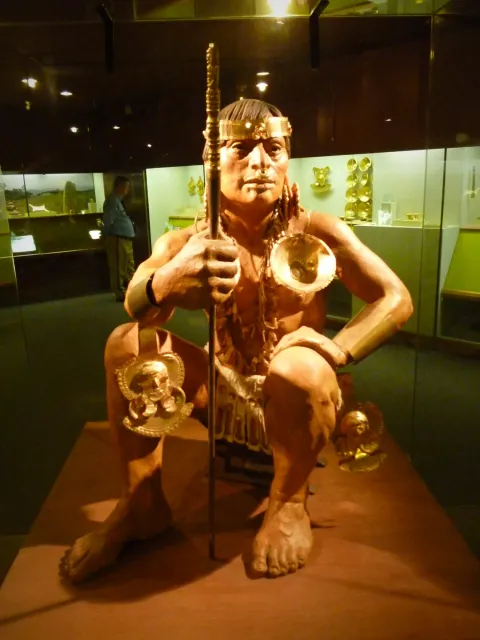
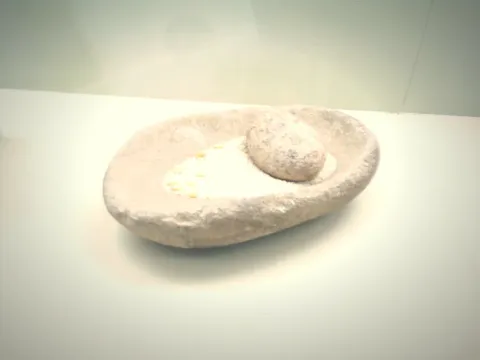
In a gallery of the Banco de la República’s cultural center, the museum shows what the Ilama, Yotoco and Sonso peoples made in the Calima region, in today’s Valle del Cauca: gold jewelry, poporo pins, pottery, stone, bone and shell. Entry is free, and the visit fits easily into a morning downtown.
- Opened
- May 9, 1991
- Societies
- Ilama, Yotoco and Sonso
- Entry
- Free
In the cases
Get close to the glass
Many pieces are small. The detail is in the headdresses, the eyes and the texture of the metal.
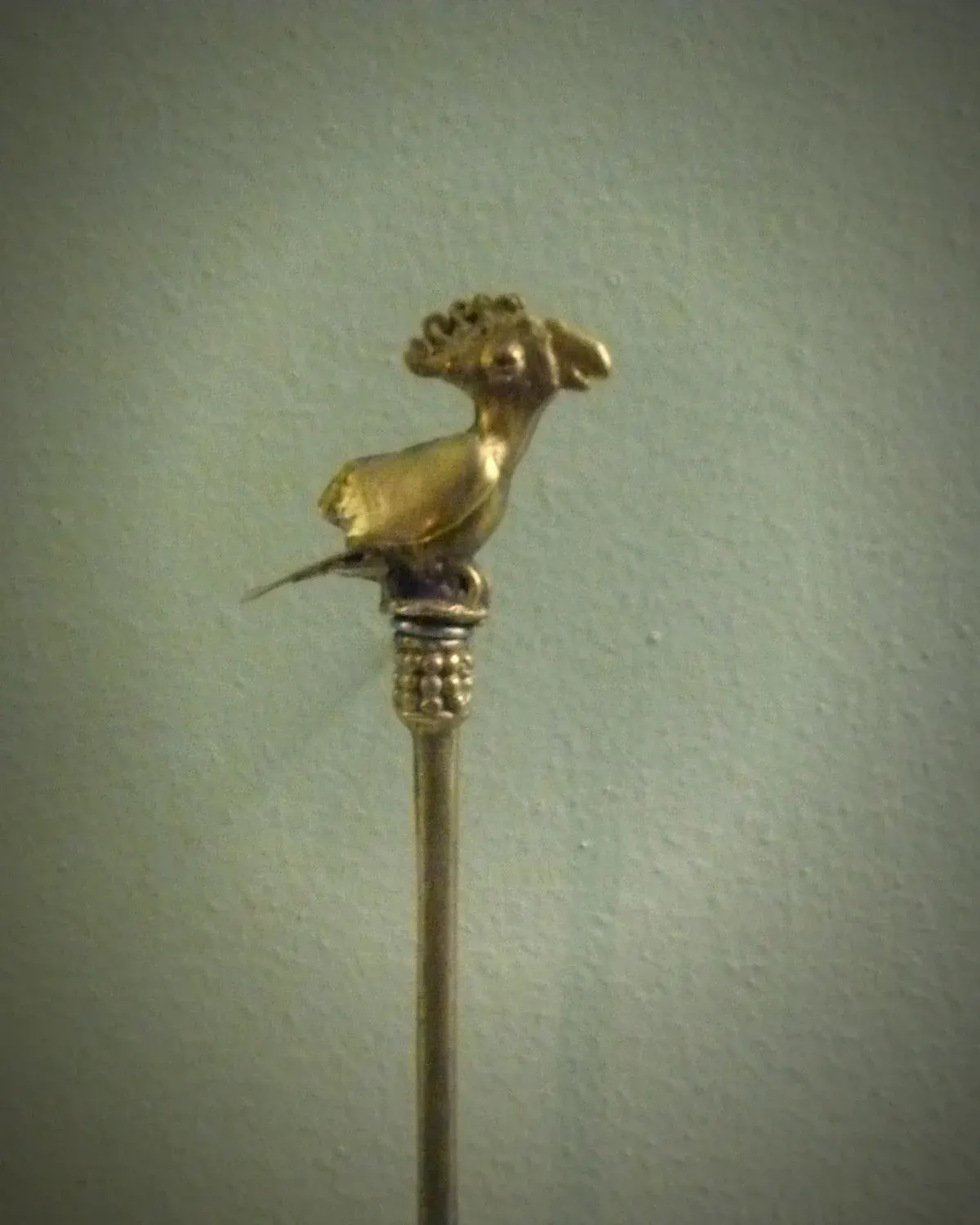
Photo: Aliman5040 (opens in a new tab) · CC BY-SA 4.0 · edited (opens in a new tab) Cast gold
Poporo pin with a bird
Pins like this one were used to take lime out of the poporo, the vessel that held it. In the Yotoco period, the figures on top were cast using the lost-wax technique.
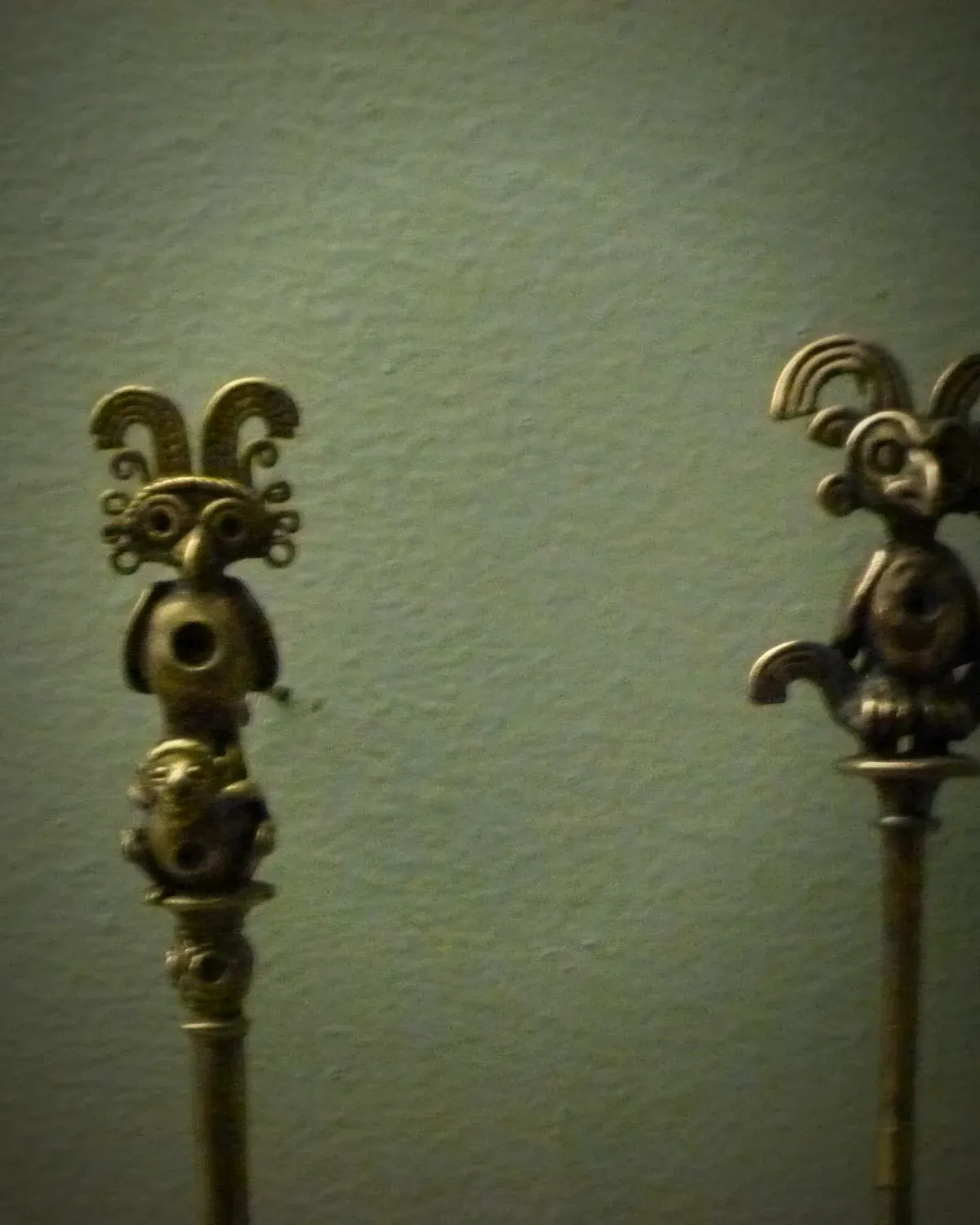
Photo: Aliman5040 (opens in a new tab) · CC BY-SA 4.0 · edited (opens in a new tab) Look at the headdresses
Two pins, two figures
Look closely at the heads: curved headdresses, spiral eyes and bodies standing on the shaft. Each top is a small sculpture.
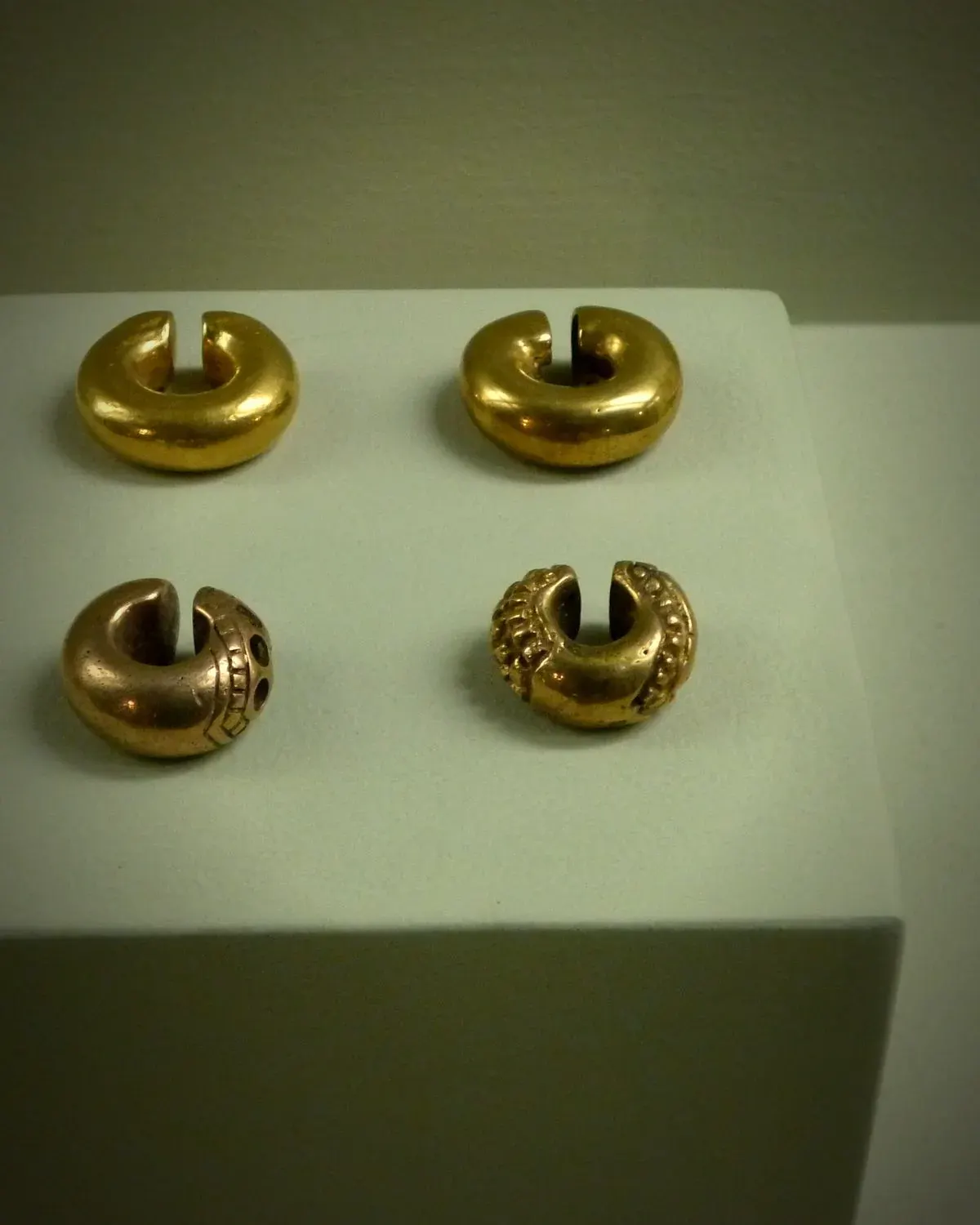
Photo: Aliman5040 (opens in a new tab) · CC BY-SA 4.0 · edited (opens in a new tab) Solid gold
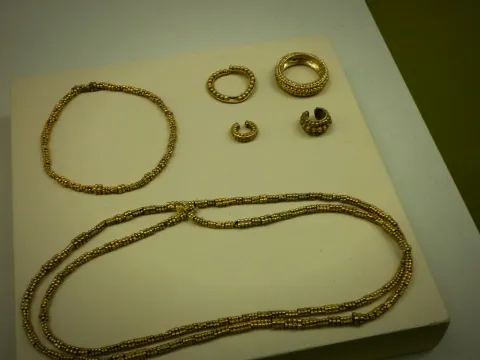
Rings for the body
Open rings, thick and polished. Sonso-period ornaments were smaller and heavier than Yotoco ones: mostly nose and ear ornaments, often of gold mixed with copper.
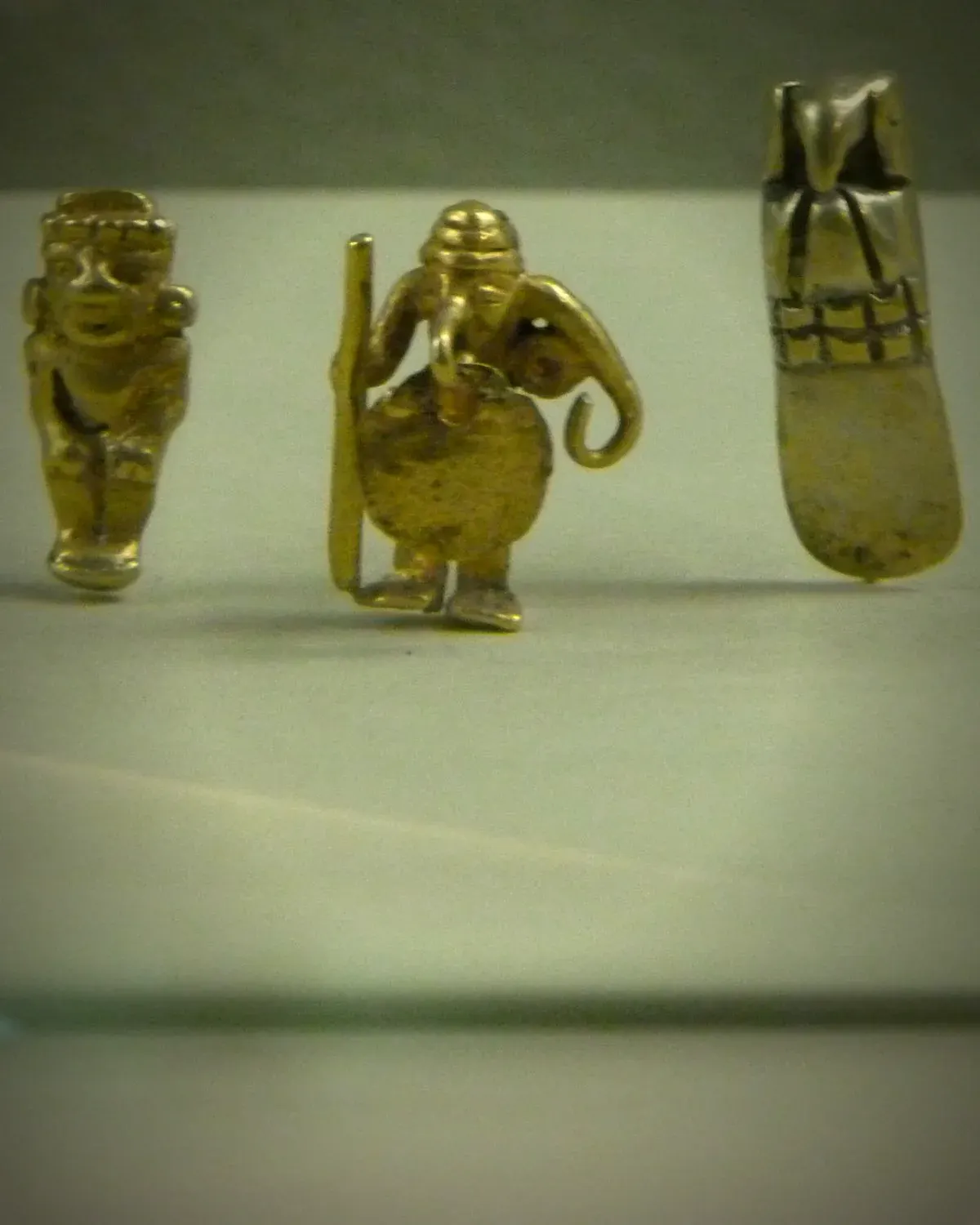
Photo: Aliman5040 (opens in a new tab) · CC BY-SA 4.0 · edited (opens in a new tab) Tiny figures
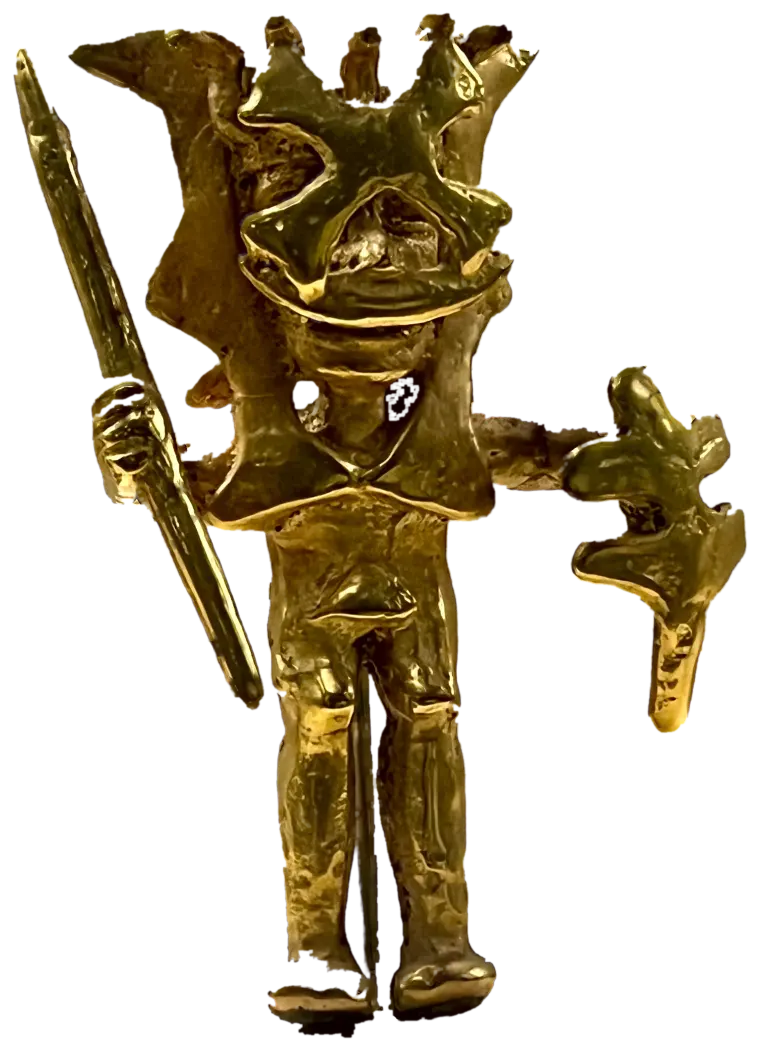
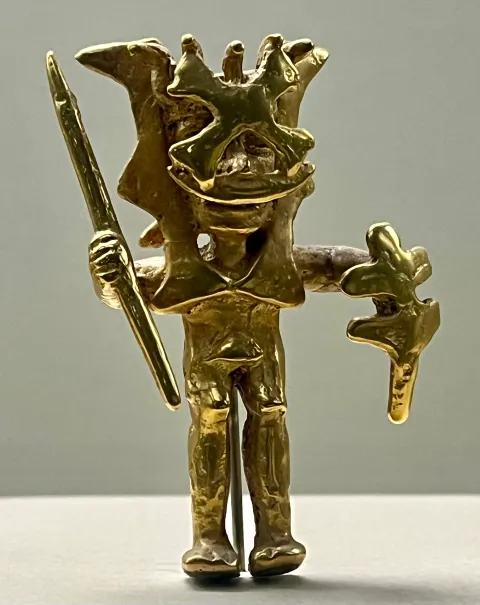
People in gold
In a Yotoco tomb in Bolívar, Valle del Cauca, from around the year 430, six gold figurines turned up alongside nose rings and pectorals. In the case, notice the arms, the staffs and the faces.
The Calima region
Three societies across more than three thousand years
Cali is founded,
Looking for the Malagana gold? Those pieces, also from the Calima region, are at the Gold Museum in Bogotá.
In the workshop
Four ways of working gold
Hammering
Gold was beaten until it became a thin sheet.
Embossing
The sheet was pushed from behind to raise the design.
Lost wax
The figure was modeled in wax and covered in clay; molten gold took the place of the wax.
Granulation
Tiny beads of gold soldered onto rings and nose ornaments.
Techniques of the Yotoco period, according to the Banco de la República’s encyclopedia.
A stop worth discovering
Discover Museo del Oro Calima
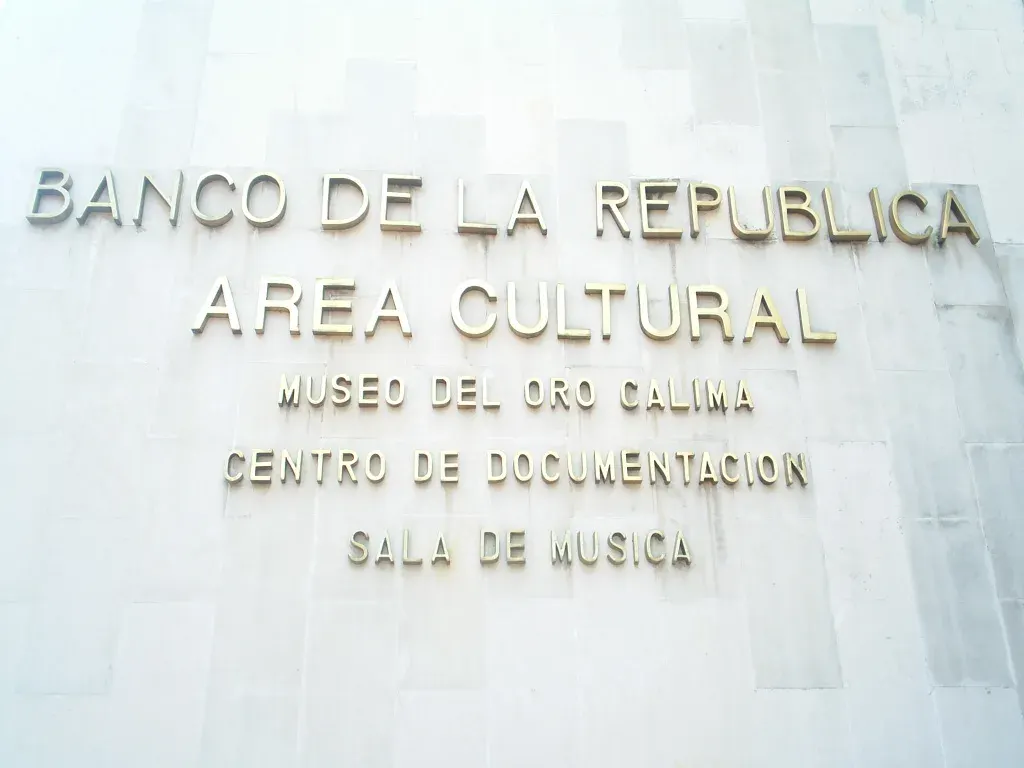
The museum fills a gallery of the Banco de la República’s cultural center on Calle 7, next to a documentation center and a music room. It opened on May 9, 1991, and holds goldwork, pottery, stone, wood, shell and bone, along with ethnographic objects.
Keep reading
The Calima region, in today’s Valle del Cauca, had three main periods. The Ilama left mostly pottery; the Yotoco, the most striking gold, hammered, embossed and cast in lost wax; and the Sonso, smaller and heavier ornaments, often of gold mixed with copper. The Malagana pieces, also from Calima, are on show at the Gold Museum in Bogotá.
- Poporo pins topped with gold figures
- The hammered and cast gold of the Yotoco period
- Three societies of the Calima region in a single gallery
Travel notebook
Stories for the road
History
Look for the lost wax
The figures on Yotoco poporo pins were cast in lost wax: a wax model, a clay mold and molten gold in its place.
Read the source (opens in a new tab)What to look for
Compare the sizes
Yotoco gold is large and striking; Sonso gold, smaller and heavier, often mixed with copper. Notice the difference between the pieces.
Visiting tip
Ask for a guided tour
You can ask for a guided tour at the museum. Afterwards, walk on through the historic center to the Bulevar del Río.
Best time to go
Tuesday to Saturday, in the morning: the museum opens at 9:00 on weekdays and at 10:00 on Saturdays, which leaves time to keep exploring downtown before the midday heat.
Before you go
You can ask for a guided tour at the museum. Pair it with a walk around the historic center: the Bulevar del Río is about 400 meters away.
Getting there
How to get there
On foot around downtown
The museum is on Calle 7 at Carrera 4, in the historic center. From the Bulevar del Río and from San Antonio you can walk there through the downtown streets.
By MIO bus
MIO routes A01A, A02 and A06 stop near the museum.
By car or taxi
Set Calle 7 No. 4-69, the Banco de la República cultural center building, as your destination.
Before you go
Free entry
- Monday:Closed
- Tuesday:9:00–17:00
- Wednesday:9:00–17:00
- Thursday:9:00–17:00
- Friday:9:00–17:00
- Saturday:10:00–17:00
- Sunday:Closed
Hours as published by Cali City Hall. Check banrepcultural.org before you go.
Calle 7 No. 4-69 · Banco de la República cultural center
MIO bus routes A01AA02A06
Frequently asked questions
How much does the Calima Gold Museum cost?
Nothing: entry is free, according to Cali City Hall.
What are the Calima Gold Museum’s hours?
Tuesday to Friday, 9:00 to 17:00, and Saturdays, 10:00 to 17:00. It is closed on Sundays and Mondays. Check banrepcultural.org before you go.
What can you see at the museum?
Gold, pottery, stone, wood, shell and bone made by the Ilama, Yotoco and Sonso peoples, who lived in the Calima region, in today’s Valle del Cauca.
Are the Malagana pieces there?
No. The Malagana pieces, also from the Calima region, are at the Gold Museum in Bogotá.