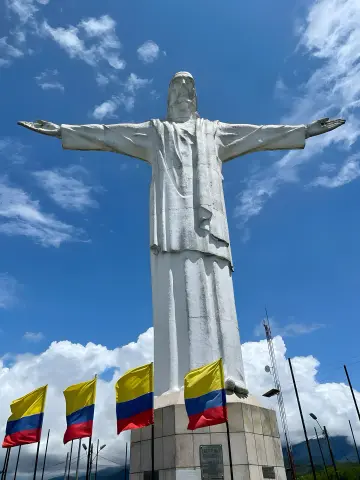
Viewpoints West · Los Cristales hill
Cristo Rey
- 45–75 min
- Free
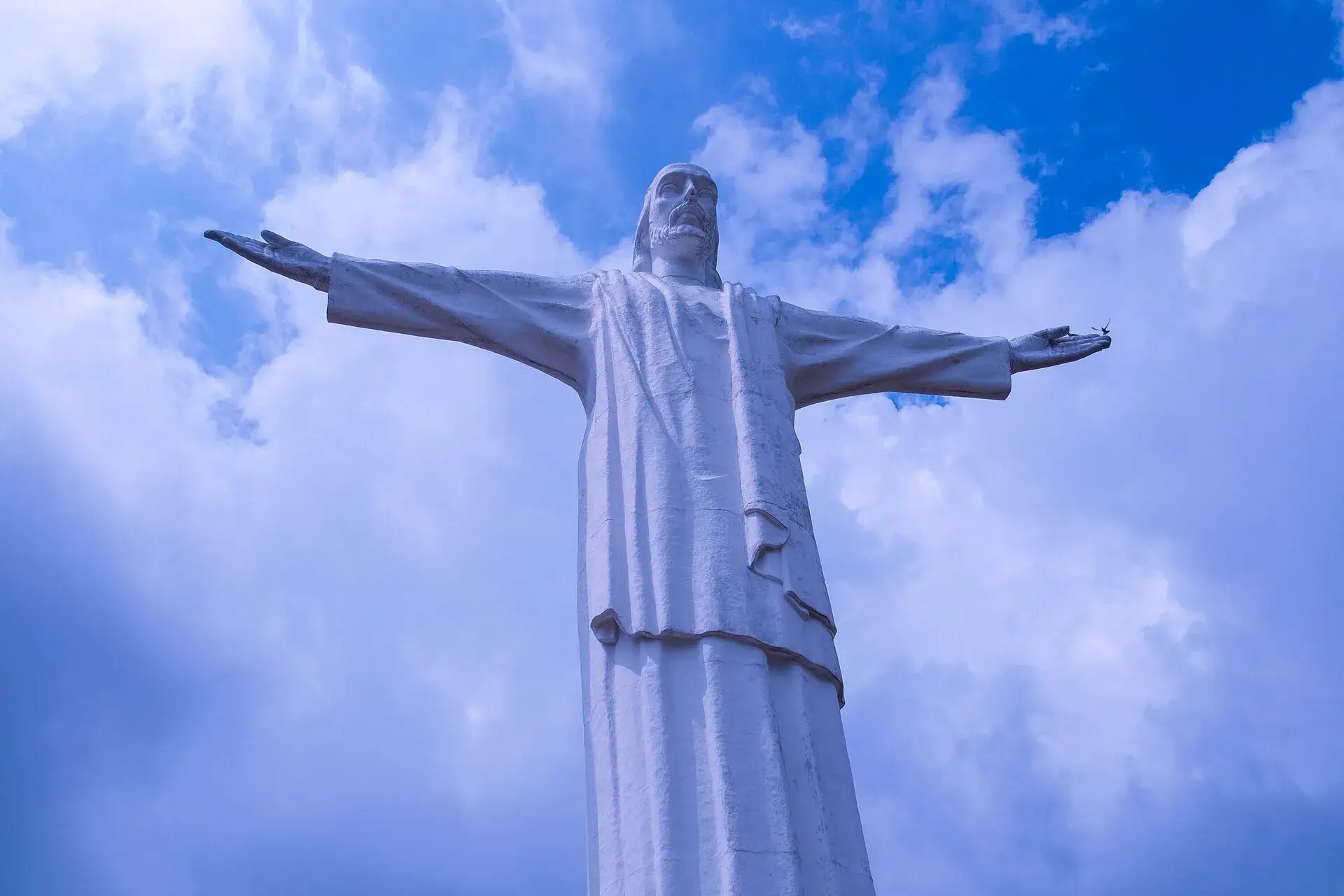
A monument from 1953. The sculpture was unveiled on October 25, 1953. Jesuit priest José María Arteaga championed the project, and Italian sculptor Tazzioli took charge of the work.
Start with the view from Cristo Rey. Head down to San Antonio for lunch, walk by the river and spend the evening in Barrio Obrero.
Estimates cover taxis per vehicle and admission per person. Budget separately for lodging, food and flights.
Reviewed onThe plan starts from the west (El Peñón, Granada and Juanambú) or downtown. From the north or the south, add 15 to 30 minutes to every car ride.
Around 8 a.m., when the monument section of Cristo Rey opens: that gets you to San Antonio before the heat.
Keep midday for lunch and a rest, and walk in the afternoon.
It closes at 7 p.m. Monday to Saturday and at 6 p.m. on Sundays and holidays: reach Barrio Obrero with time to spare.
A viewpoint, a hill, the river and salsa
Cristo Rey on a clear morning, lunch in San Antonio, an afternoon on foot along the river and the evening in Barrio Obrero.
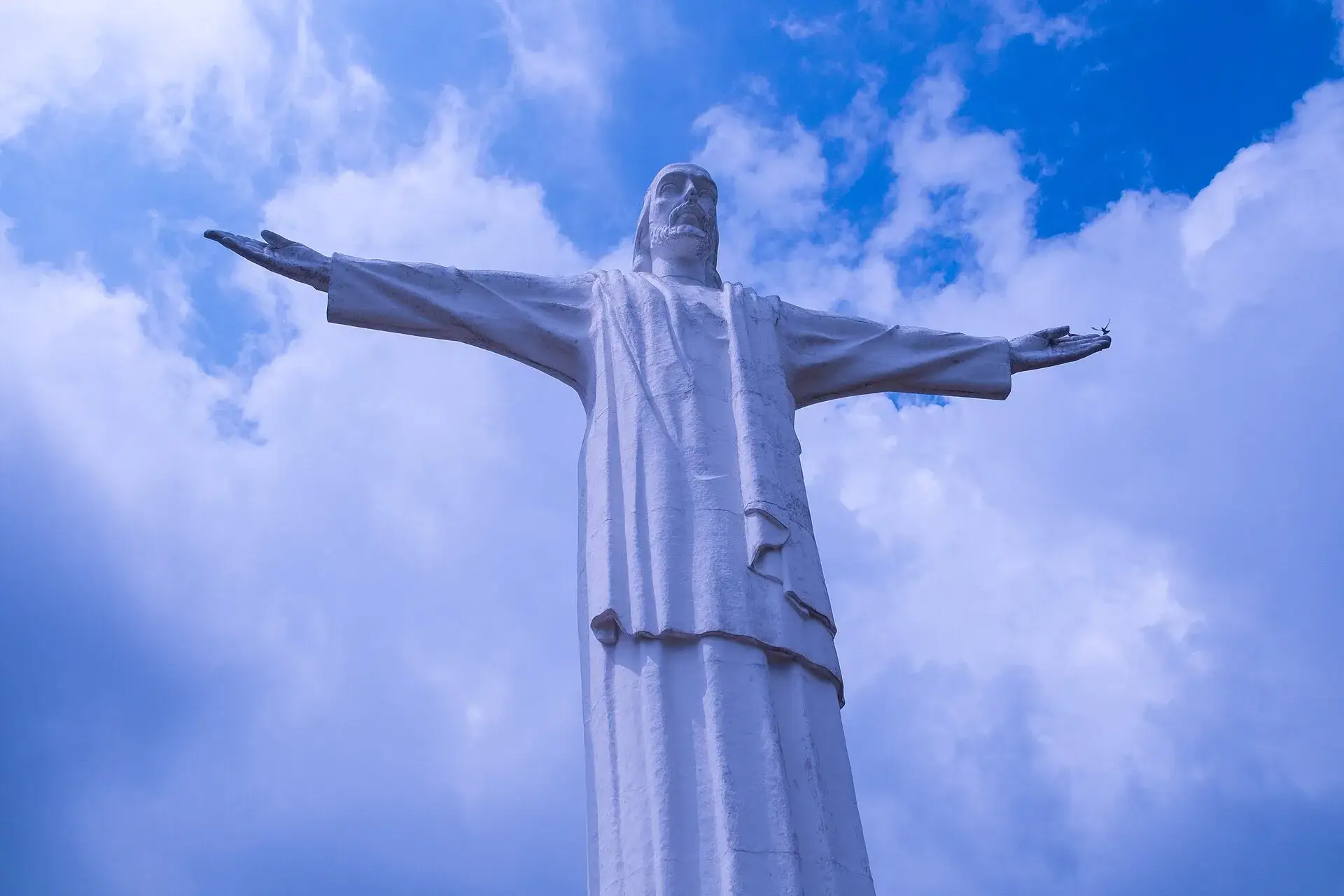
Leave around 8 a.m., when the monument section opens: Monday to Thursday it closes at 7 p.m. (last entry 6 p.m.) and Friday to Sunday and on holidays at 8 p.m. (last entry 7 p.m.). Entry is free; section 3 remains closed.
Getting there: By car or taxi · 20–30 min depending on traffic
COP 19,000–26,000≈ US$6–8per vehiclechecked · El Espectador · El País Cali · OpenStreetMap (OSRM)Over six months old: confirm it before you travel.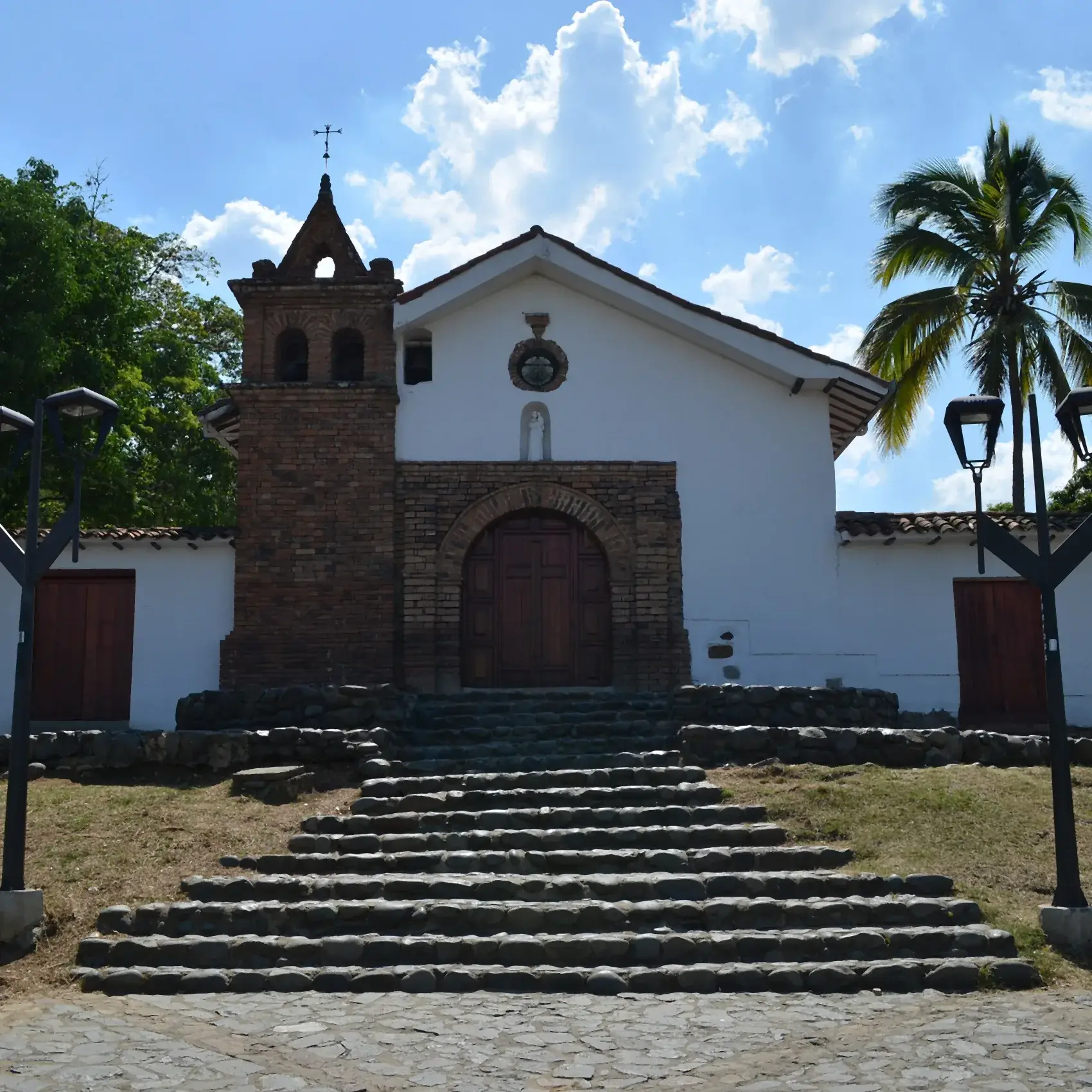
Walk the hill and the neighborhood streets before the heat builds. To go inside the chapel, ask there for the hours: none are published.
Break
Have lunch in San Antonio or nearby and sit out the hottest hours.
Getting there: On foot · 10–15 min at your own pace · downhill
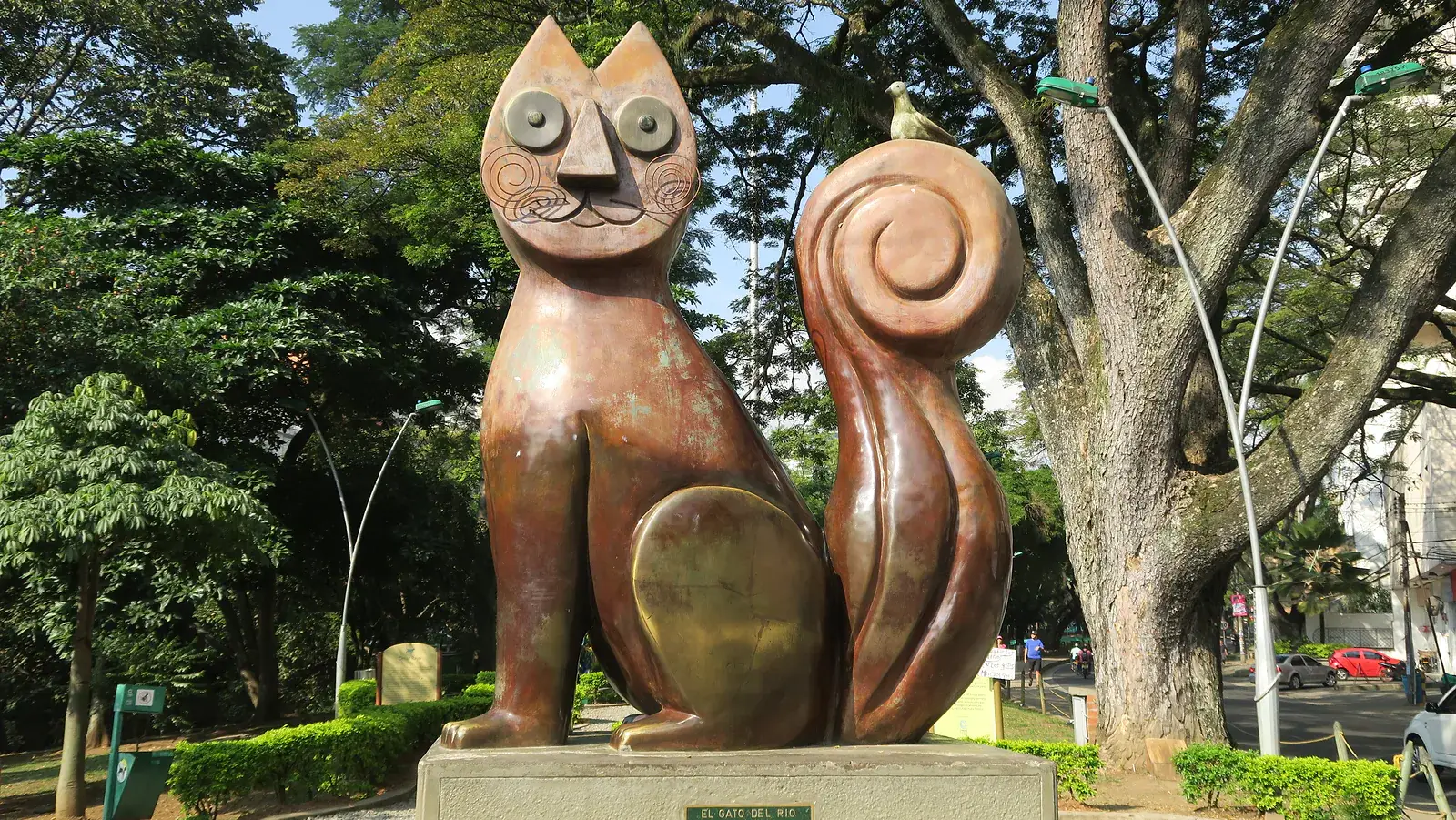
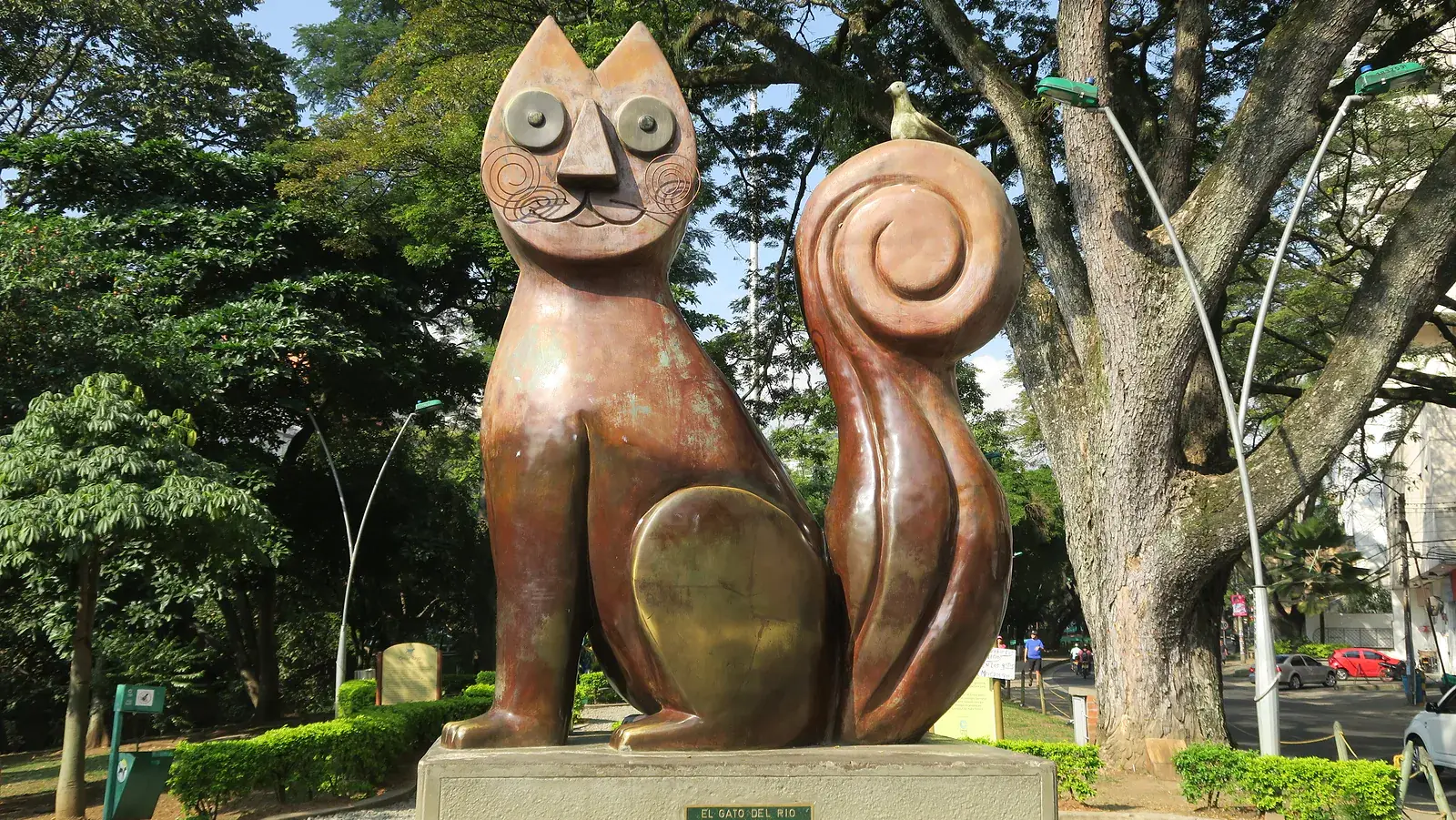
Walk down to the river: the Cat and his companions stand in an open park beside the Cali River.
Getting there: On foot · 15–20 min
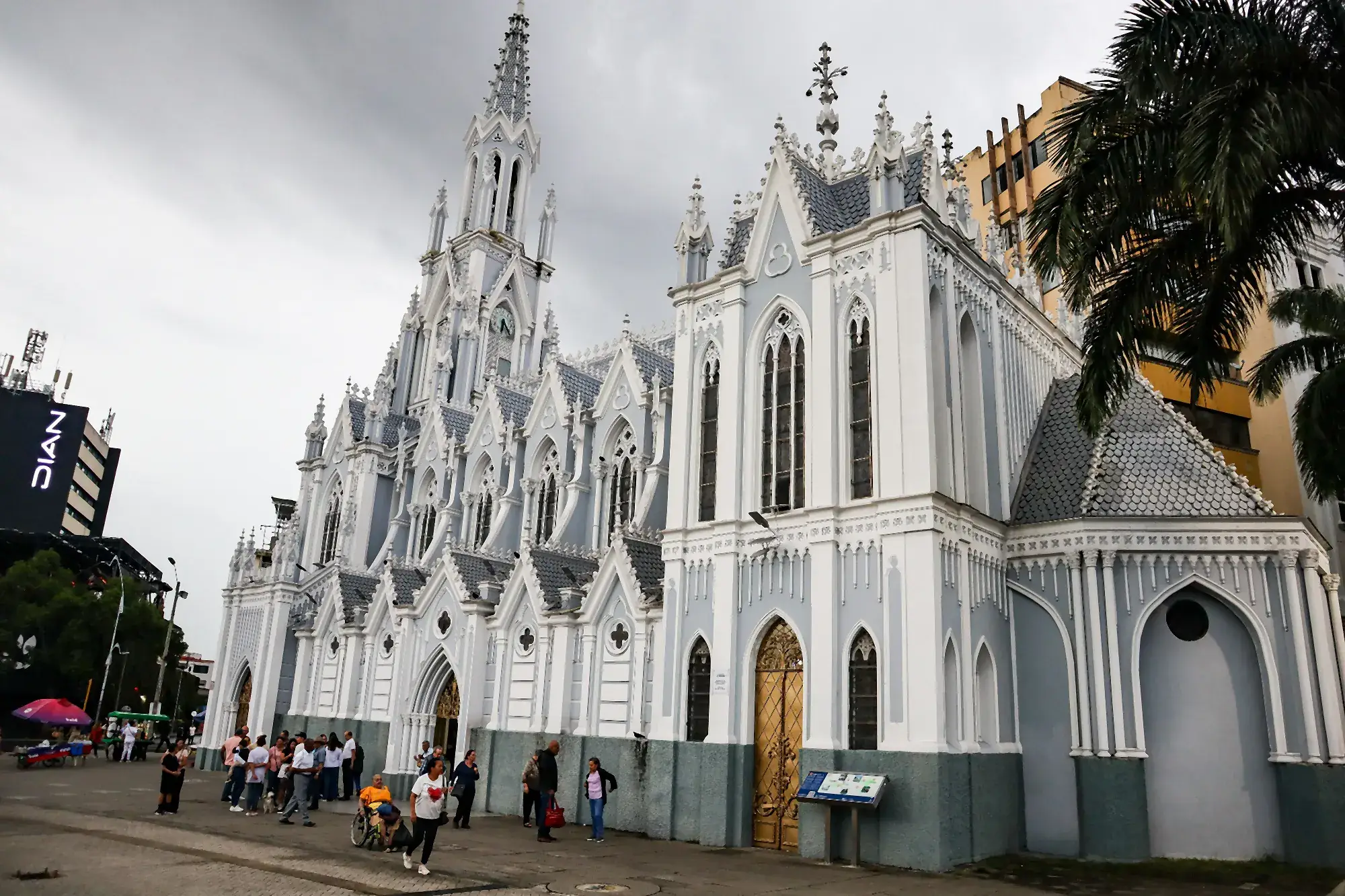
Follow the riverbank to the boulevard, with Puente Ortiz and the outside of La Ermita.
Getting there: By car or taxi · 5–10 min depending on traffic
COP 8,000–11,000≈ US$2–3per vehiclechecked · El Espectador · El País Cali · OpenStreetMap (OSRM)Over six months old: confirm it before you travel.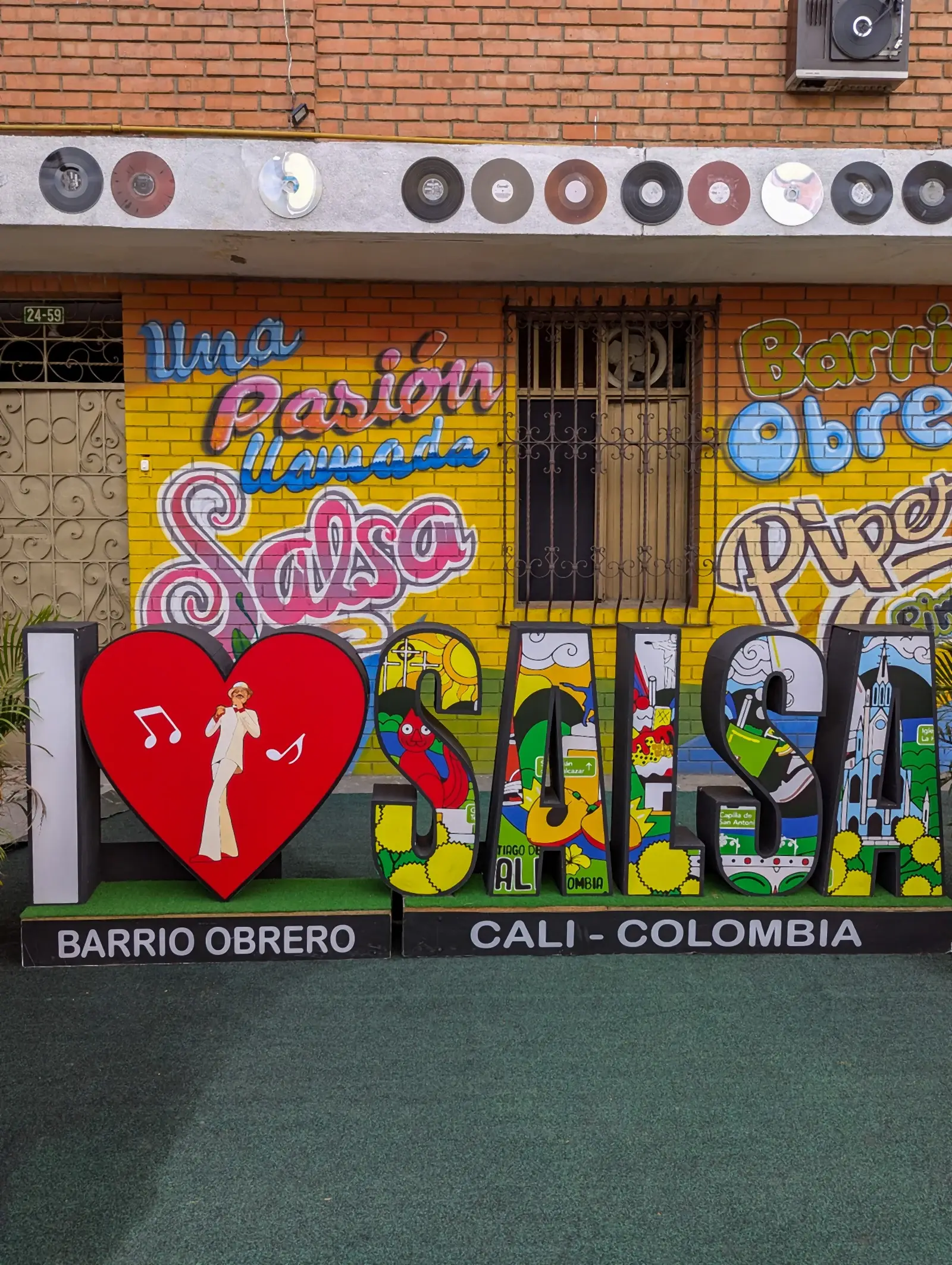
The murals and street sculptures keep no hours. Museo de la Salsa does: Monday to Saturday 2 to 7 p.m., Sundays and holidays 3 to 6 p.m., and its last published price is COP 15,000. To see it, arrive with time to spare.
If you still have energy
Many salsa plans happen at night or on weekends: check the program of the neighborhood venues. To get back at night, use a registered taxi or an app and agree on the pickup point in advance.
If it rains
Clouds hide the view: swap Cristo Rey for Museo del Oro Calima, indoors and free from Tuesday to Saturday, and carry on with the rest of the day.
Read the place guideIf you need a slower day
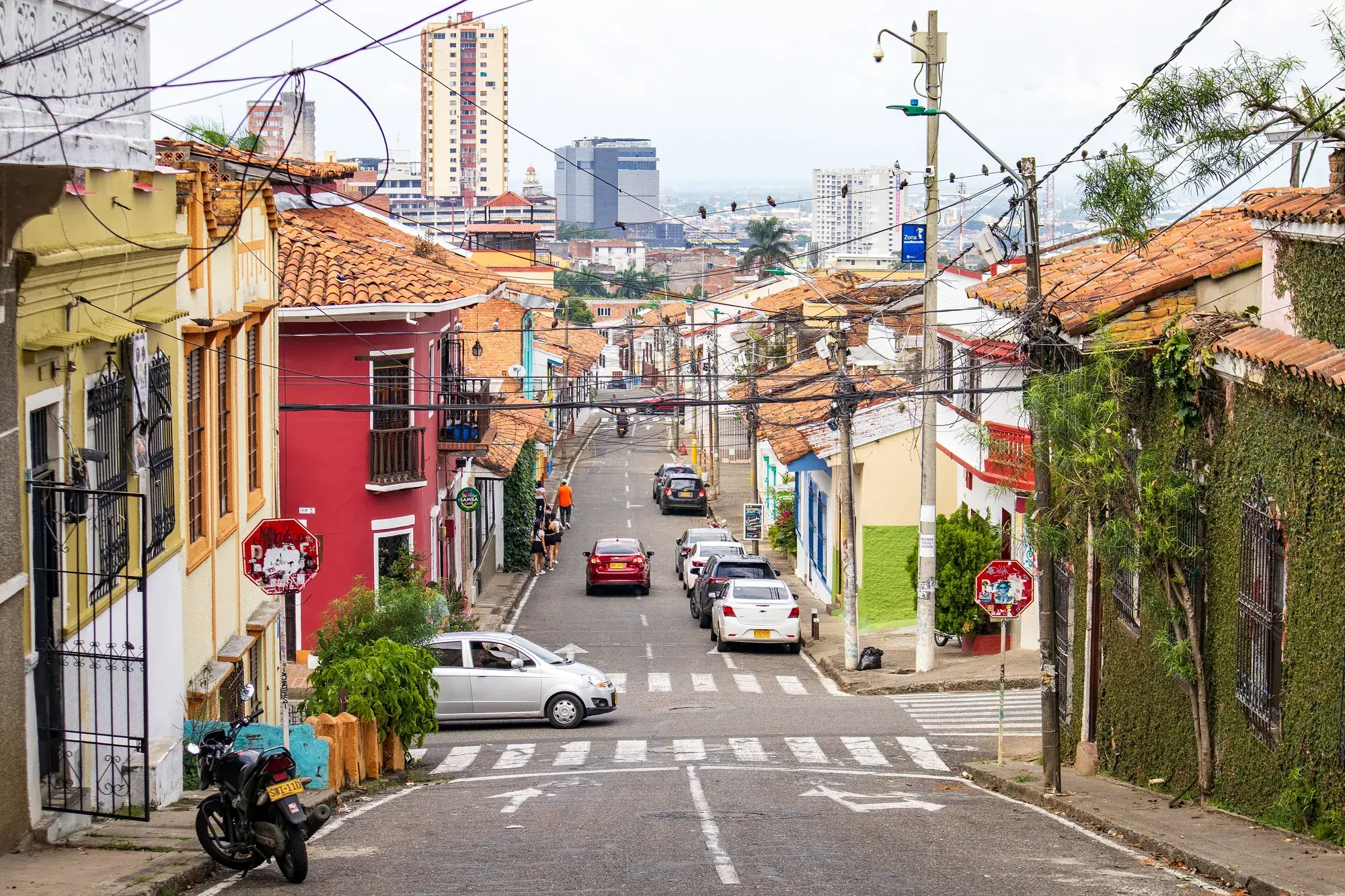
Keep the walking half: San Antonio, the Cat and the boulevard. Save Cristo Rey or Barrio Obrero for another visit.
With reduced mobility
The approach to Cristo Rey and the San Antonio hill are steep: take a taxi to the top of both, and another for the stretch from San Antonio to the river.
Select a stop to see the place.
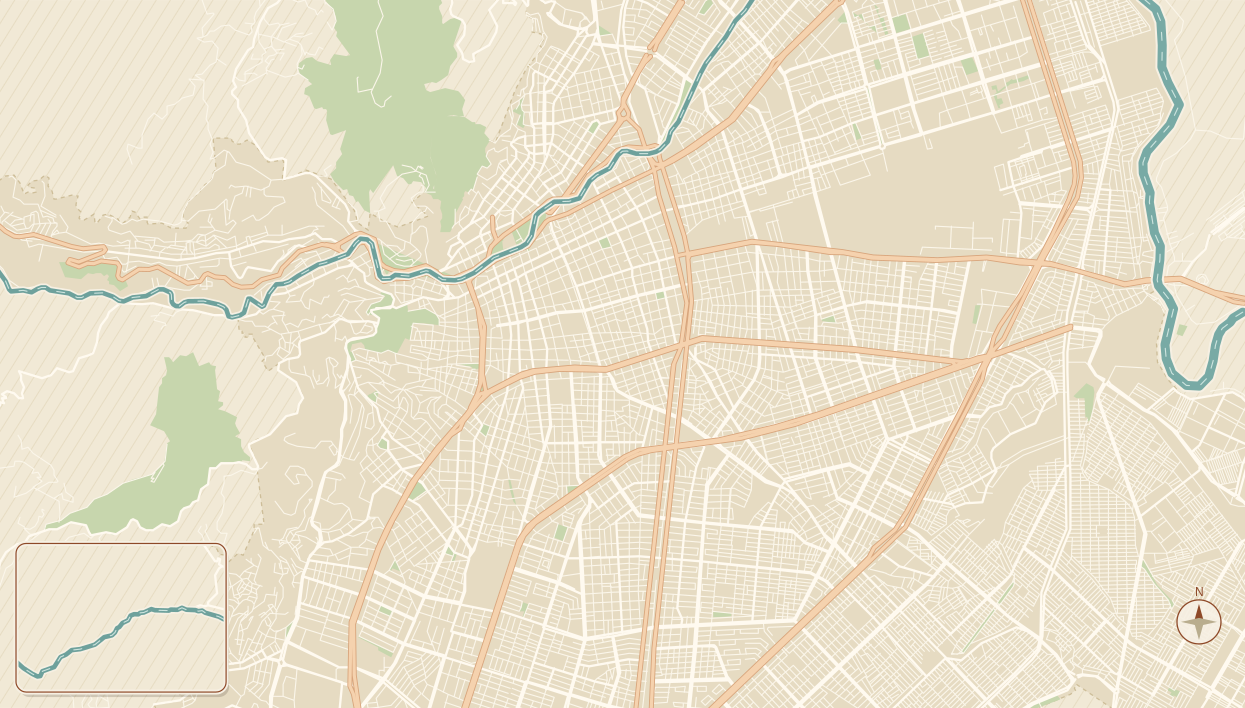
Select a stop to see the place.
Viewpoints West · Los Cristales hill
A monument from 1953. The sculpture was unveiled on October 25, 1953. Jesuit priest José María Arteaga championed the project, and Italian sculptor Tazzioli took charge of the work.
Hikes Northwest · guardian hill
Concrete crosses since 1938. The city received the monument on January 6, 1938. It replaced the three guadua bamboo crosses that, according to tradition, friars Vicente and Juan Cuesta carried up the hill in 1837.
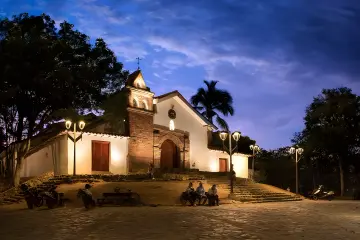
History and heritage West · historic neighborhood
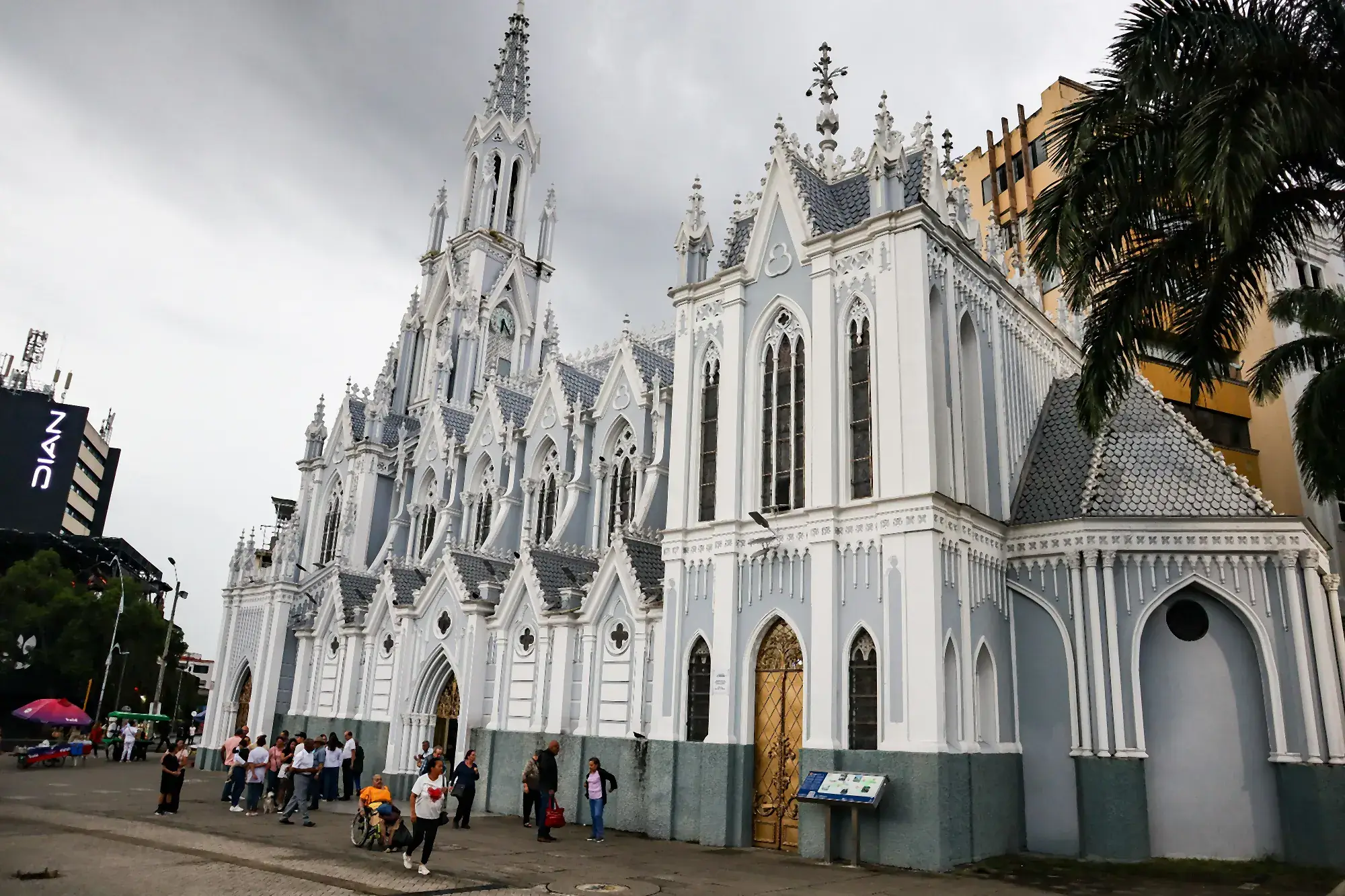
An eighteenth-century chapel. The chapel’s history goes back to the mid-eighteenth century. City records mention donations to build it as early as 1743.
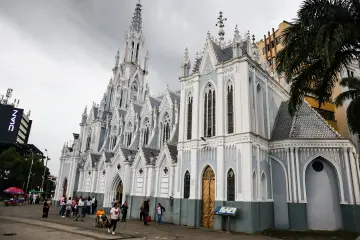
City life Downtown · Avenida Colombia
An avenue beneath your feet. Since 2013, Avenida Colombia has run through a four-lane tunnel 5.5 meters down. On top of it lies a promenade that links the riverbank with La Ermita and the Puente Ortiz.
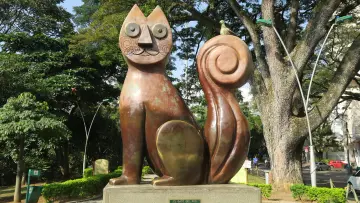
Outdoor art West · Cali River bank
A 3.5-meter bronze cat. Hernando Tejada donated the work to be cast at a monumental scale. It was unveiled in 1996 as part of a project to restore the Cali River’s banks.
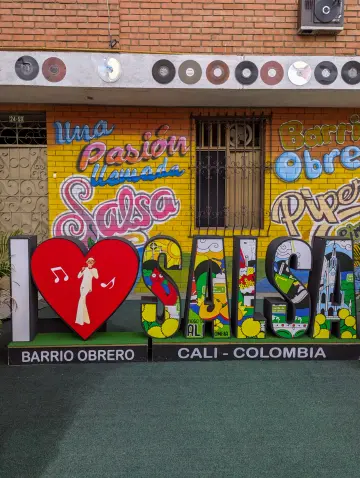
Salsa and culture Comuna 9 · near downtown
Salsa lives on in photographs. At the Museo de la Salsa, Carlos Alfredo Molina’s photographs trace different eras of music in Cali. Look for changes in the venues, costumes and dance styles.
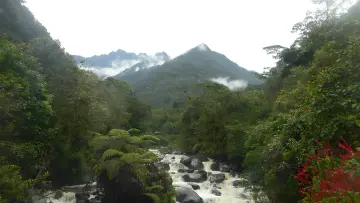
Nature South · Pance rural district
The river’s journey from the Farallones. The Pance starts high in the Farallones de Cali. It descends through humid forest, passes La Vorágine and eventually flows into the Jamundí River.
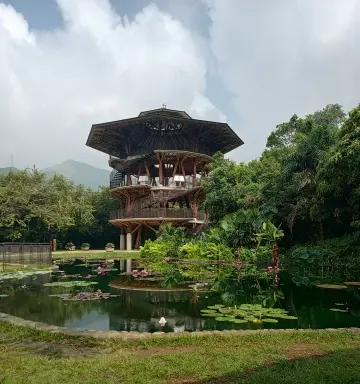
Forest and gardens West · Cali River bank
A forest that was almost lost. In 2002, the power company Epsa loaned 14 hectares holding one of the region’s last remnants of tropical dry forest. The garden closed in 2018 and reopened, renovated, on September 1, 2023.
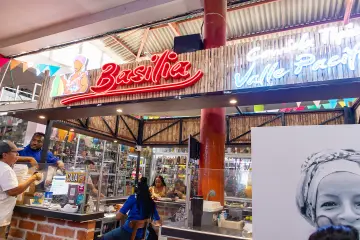
Markets and food Comuna 9 · La Alameda
A market run by its vendors. In 1994 the city handed the market to its own vendors as a concession, and they formed ASOALAMEDA. They took it over with its aisles in poor shape; today it is fully roofed, with renewed kitchens and water pipes.
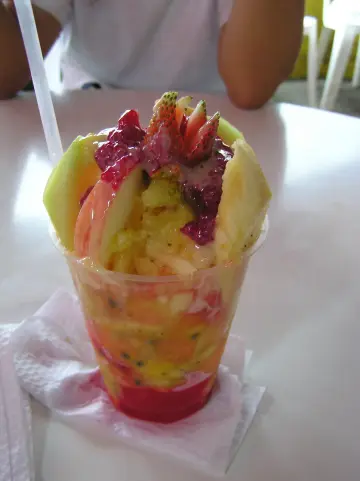
Street food Comuna 19 · Calle 9
A name with history. “Cholado” blends “cholos,” in tribute to the Indigenous and mestizo population, with “helado” or “raspado.” According to the city government, it was created to ease hangovers and reached Cali in the late 1980s.
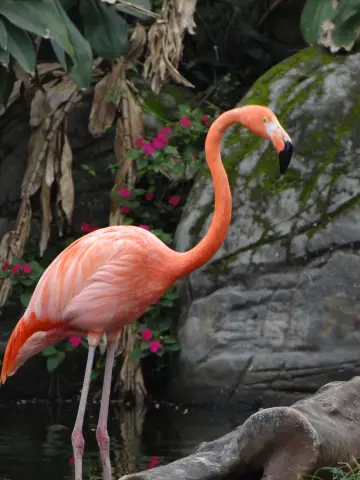
Wildlife West · Santa Teresita
The water people. That is what some Amazonian cultures call giant otters, an endangered species. In their zone, a maloca and an Amazon trail, the zoo has taken in otters rescued from illegal trafficking.
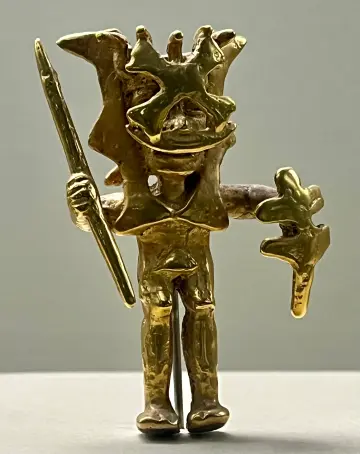
Museums Downtown · Calle 7
Look for the lost wax. The figures on Yotoco poporo pins were cast in lost wax: a wax model, a clay mold and molten gold in its place.
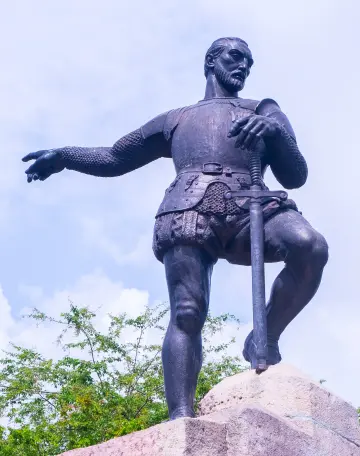
Viewpoints West · Arboledas
A bronze made in Spain. Victorio Macho made the statue in Spain. It was shipped to Buenaventura and, as its history tells, carried by mule to Cali, where it was unveiled on July 25, 1937.
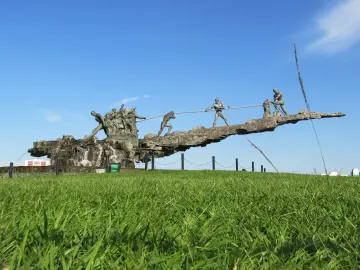
Outdoor art North · Avenida 3 Norte
The symbol of a city that helps itself. After the August 10, 2026 earthquake, the people of Cali formed human chains, cleared rubble and filled the collection centers. The September charity race finished here, and the Day of Cali’s Solidarity was proposed here.
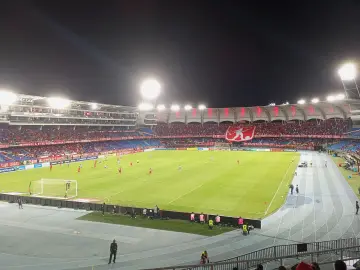
Football and concerts Comuna 19 · San Fernando
Look up at the West stand. The West stand’s roof dates from 1971: double-curved vaults just 5 cm thick on 18-meter cantilevers, designed by engineer Guillermo González Zuleta.
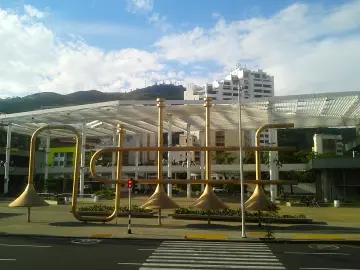
Salsa and public art Downtown · across from the CAM
A hidden name. Fredy Pantoja and Lucía Alba’s trumpet measures 8 by 8.5 meters and arrived in December 2015. Look for the letters: NICHE reads among its tubes.
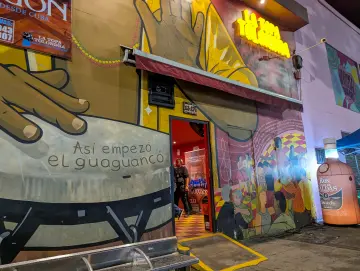
Salsa and nightlife Downtown · Calle 5
A small bar that grew. It opened in 2011 on Calle 5. Carlos Alfonso Ospina kept making it bigger, and it now holds up to 700 people, with a stage for live bands.
A viewpoint, a hill, the river and salsa