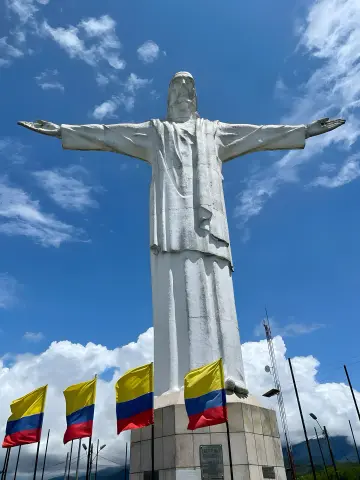
Viewpoints West · Los Cristales hill
Cristo Rey
- 45–75 min
- Free
A monument from 1953. The sculpture was unveiled on October 25, 1953. Jesuit priest José María Arteaga championed the project, and Italian sculptor Tazzioli took charge of the work.
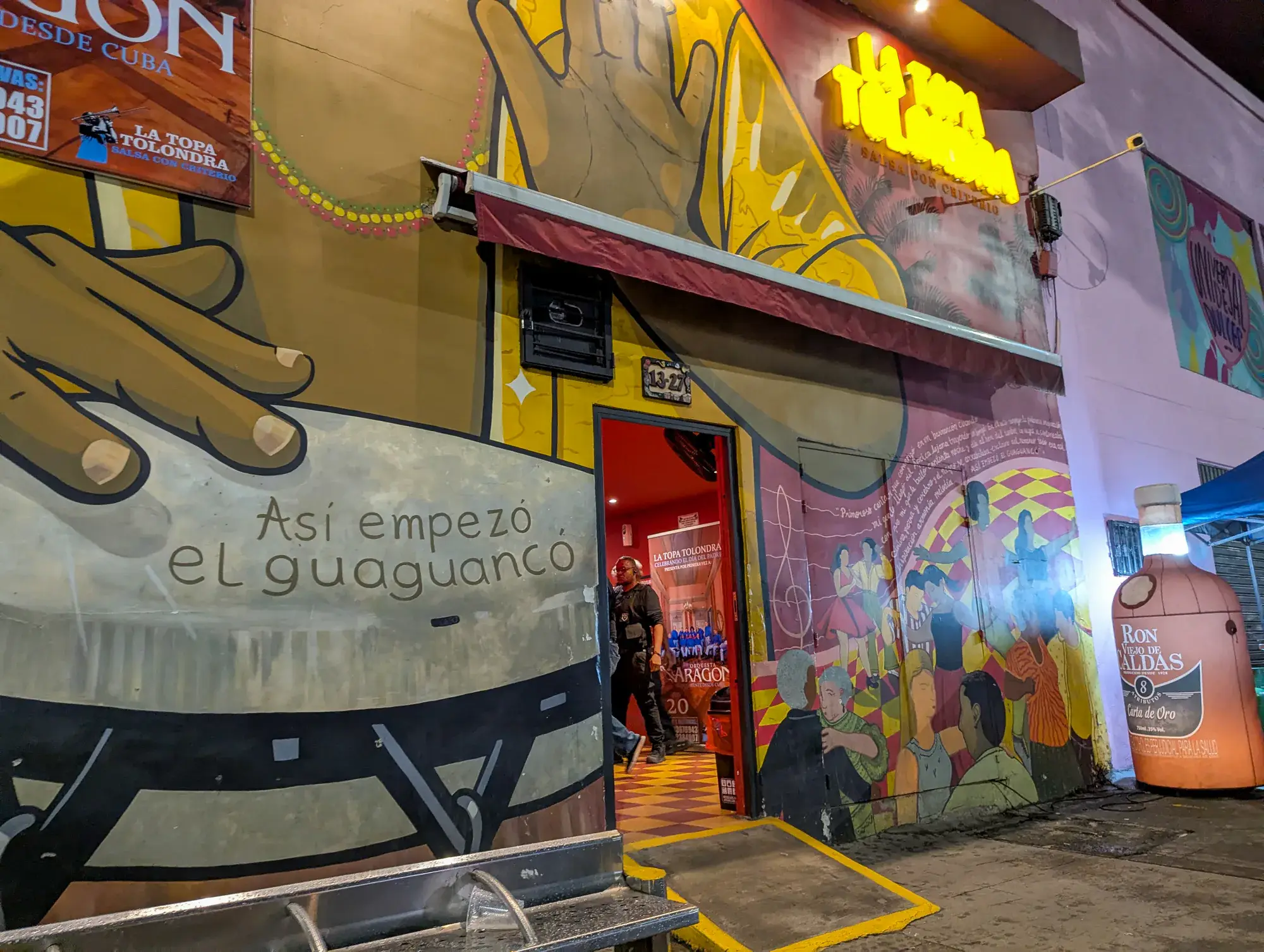
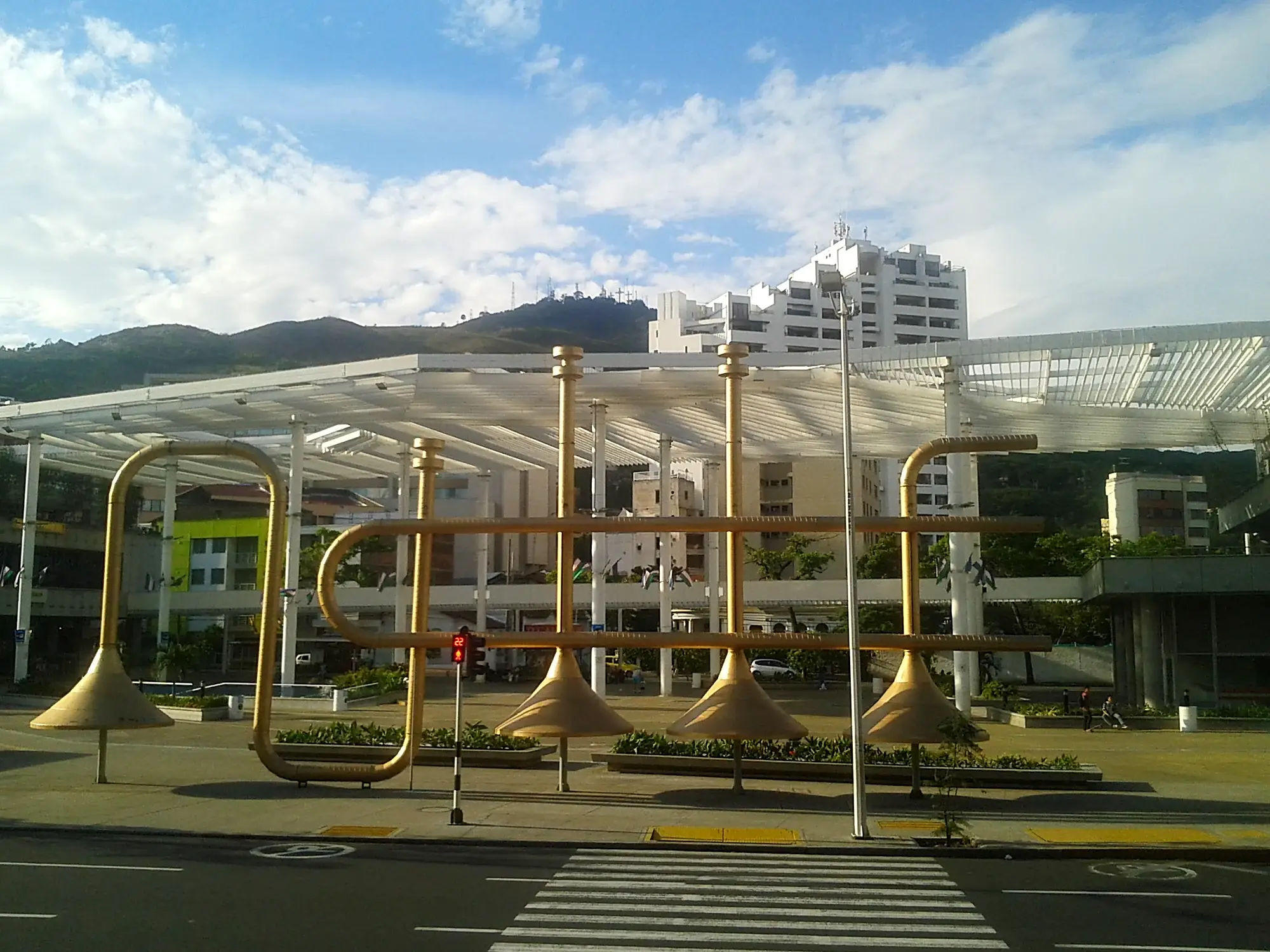
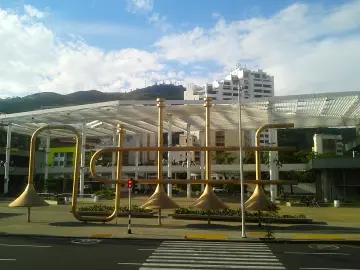
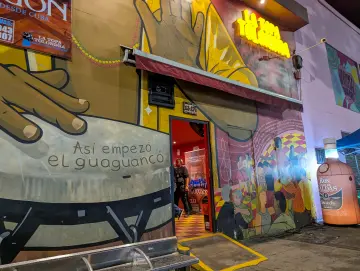
Find the word “Niche” in the trumpet sculpture at Plazoleta Jairo Varela, explore the murals of Barrio Obrero and finish on the dance floor at La Topa Tolondra.
Estimates cover taxis per vehicle and admission per person. Budget separately for lodging, food and flights.
Reviewed onThe plan starts from the west or downtown: Plazoleta Jairo Varela is a 5–10 minute walk from El Peñón and Granada.
Around 3 p.m., to reach Museo de la Salsa well before it closes.
Bring your ID and sort out the ride back: agree on the pickup point before you go out.
Not every venue has a confirmation later than August 10, 2026: the salsa page says which ones do.
Cali’s salsa, from the afternoon into the small hours
Plazoleta Jairo Varela and the boulevard, Museo de la Salsa and the murals of Barrio Obrero, and the night at La Topa Tolondra.
If you still have energy
To reach the dance floor with a few steps learned, book a class in the morning. Sondeluz gives private lessons from COP 85,000 per hour, in Spanish and English, booked at least a day ahead.
Break
Eat well and rest: it will be a long night.
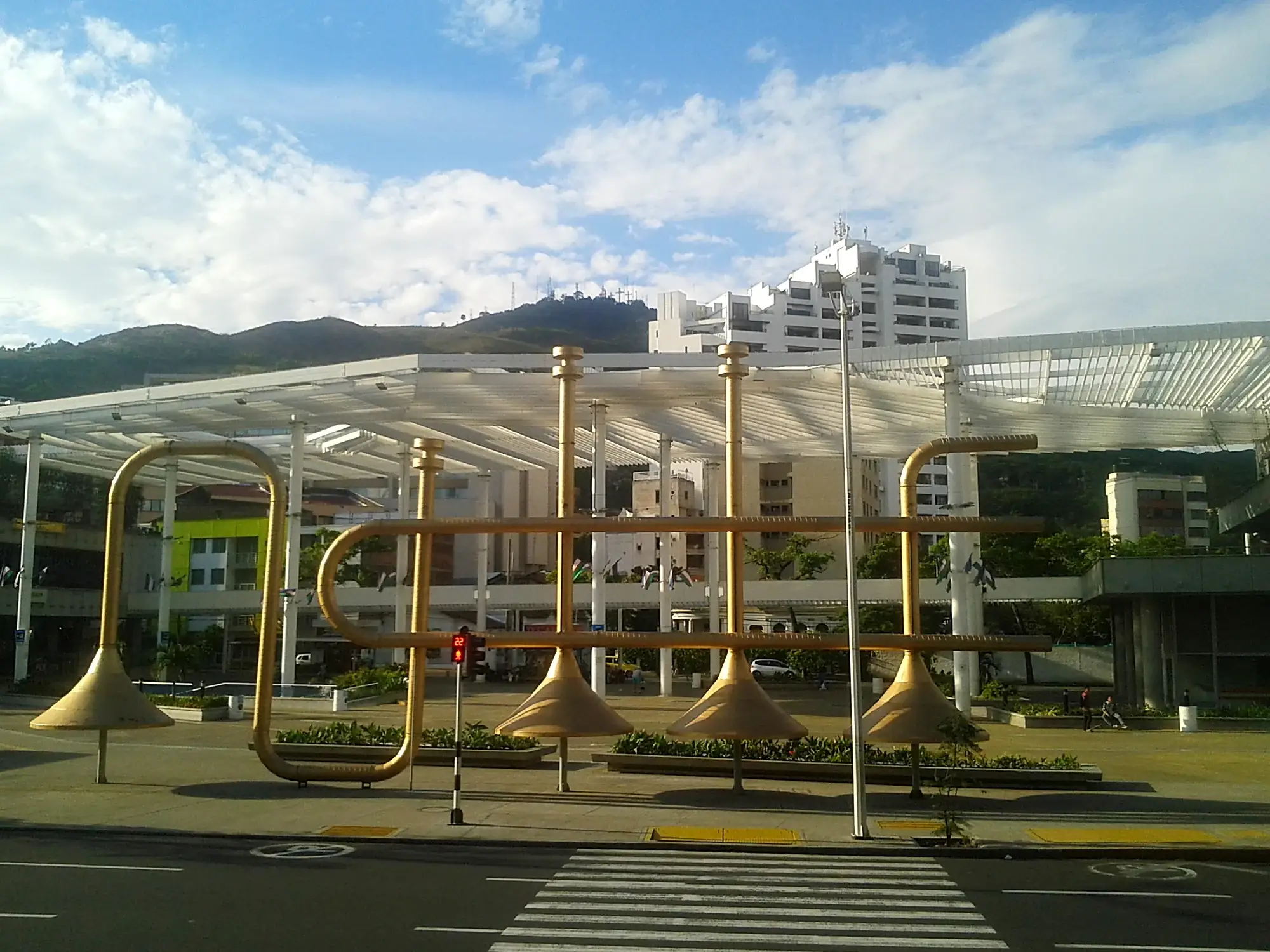
The plaza dedicated to the founder of Grupo Niche, with its trumpet. The Jairo Varela Museum, on the second floor, publishes no hours: if you find it open, its last published price is COP 10,000 (February 2025).
Getting there: On foot · 5–10 min
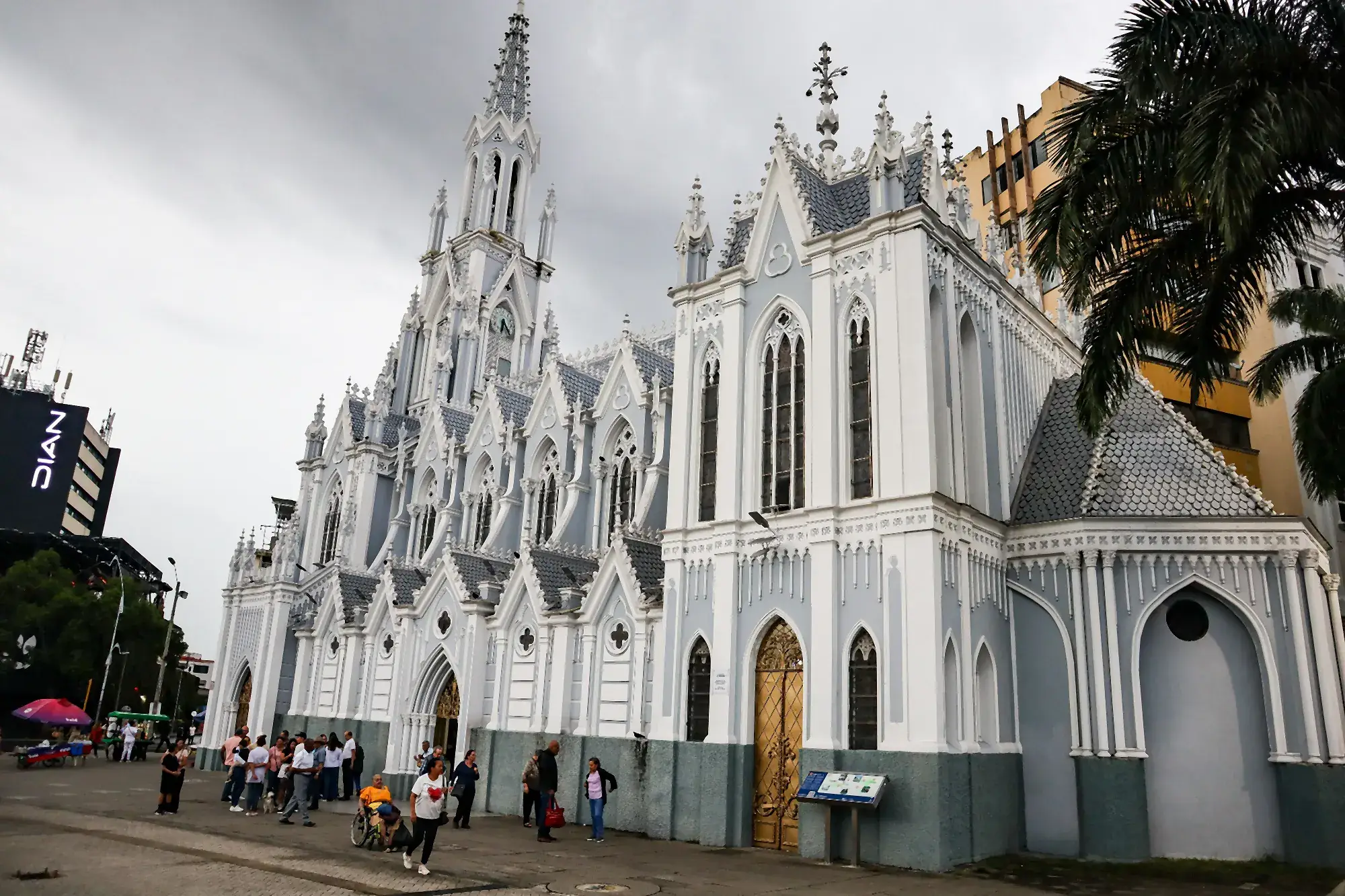
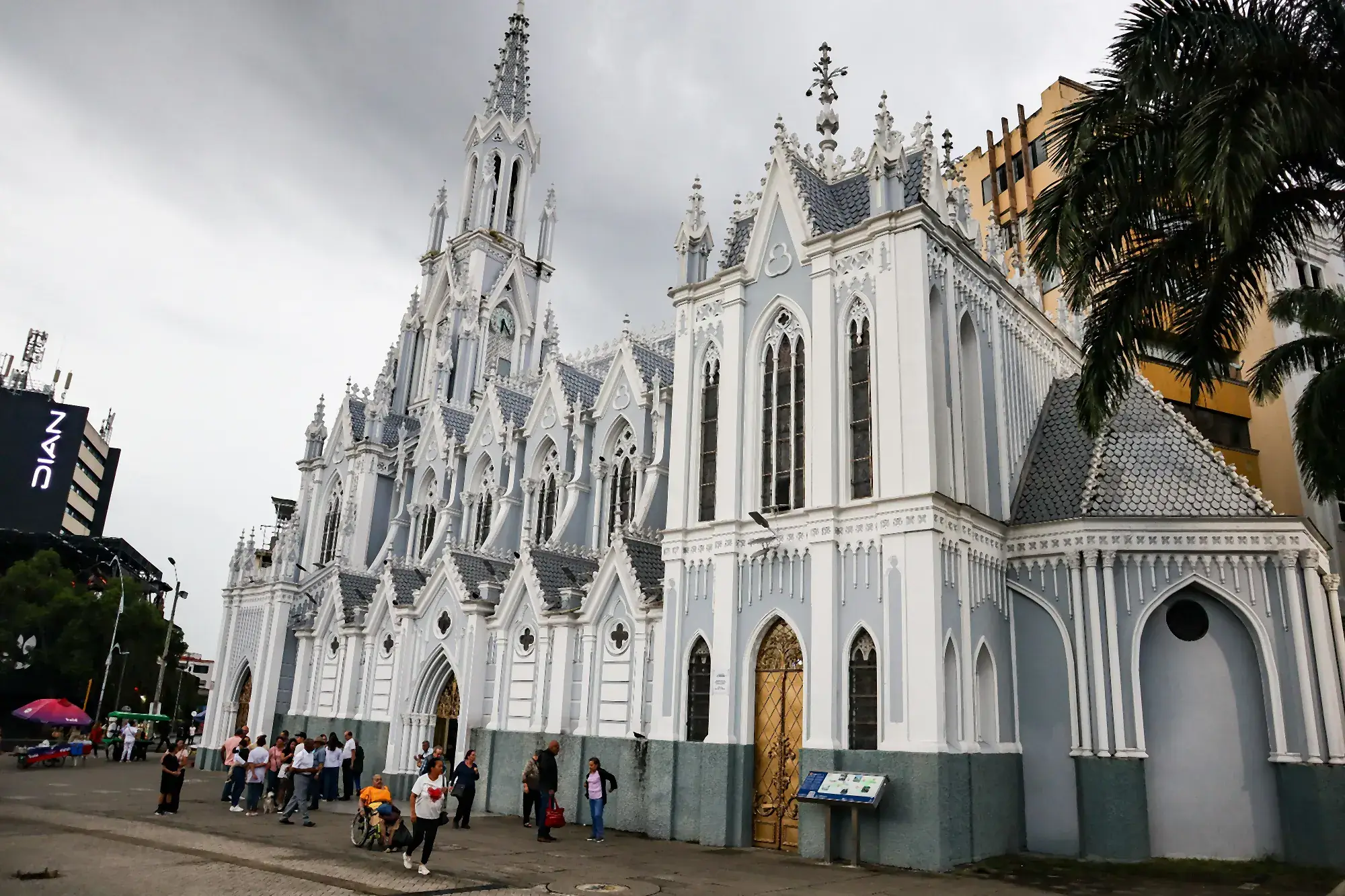
Cross to Bulevar del Río and walk it toward Puente Ortiz and La Ermita.
Getting there: By car or taxi · 5–10 min depending on traffic
COP 8,000–11,000≈ US$2–3per vehiclechecked · El Espectador · El País Cali · OpenStreetMap (OSRM)Over six months old: confirm it before you travel.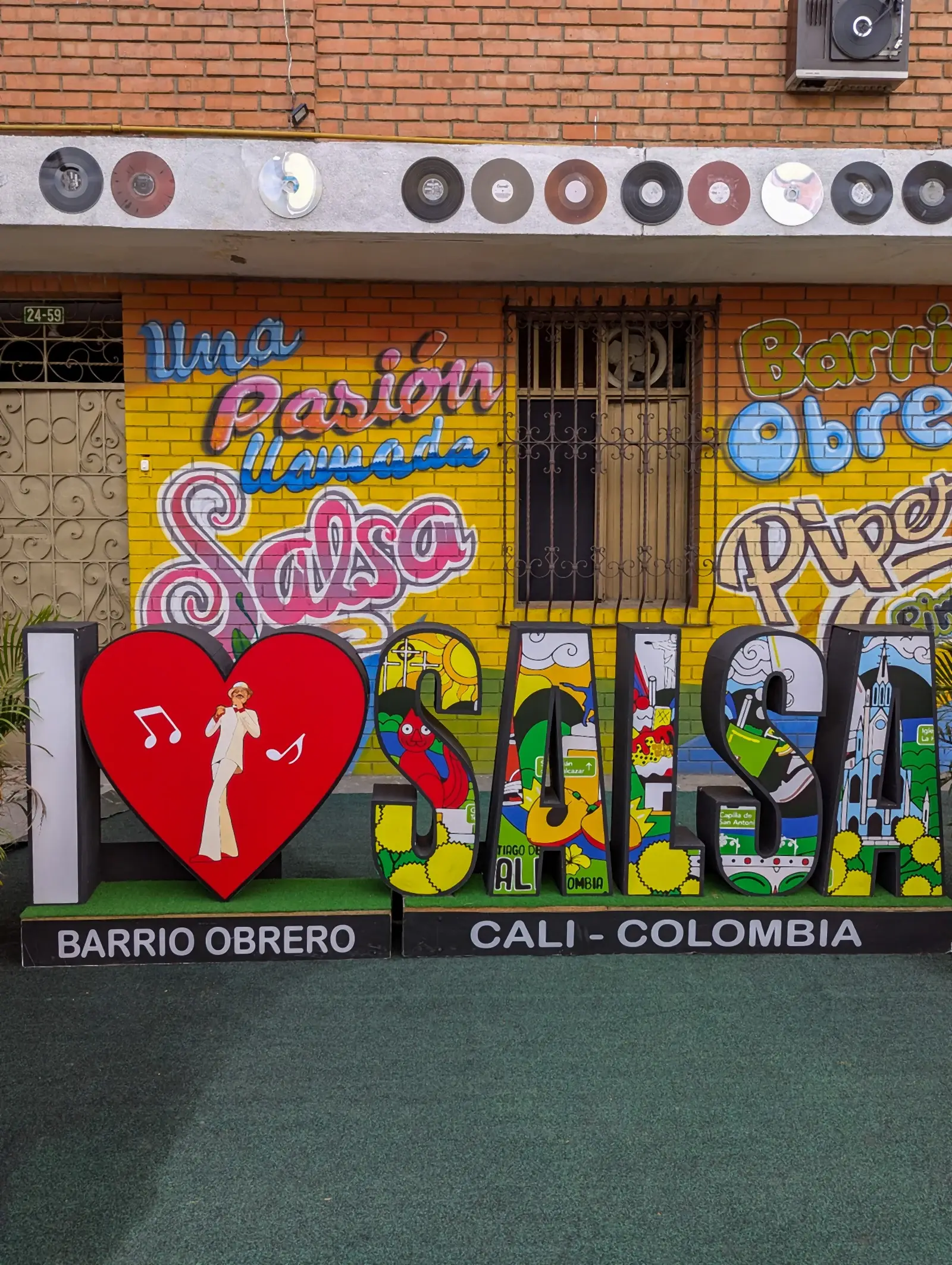
Museo de la Salsa opens Monday to Saturday 2 to 7 p.m. and Sundays and holidays 3 to 6 p.m.: arrive in good time. Outside, the neighborhood’s renovation left over 3,000 square meters of murals and 12 sculptures of salsa greats.
Getting there: By car or taxi · 5–10 min depending on traffic
COP 9,000–13,000≈ US$3–4per vehiclechecked · El Espectador · El País Cali · OpenStreetMap (OSRM)Over six months old: confirm it before you travel.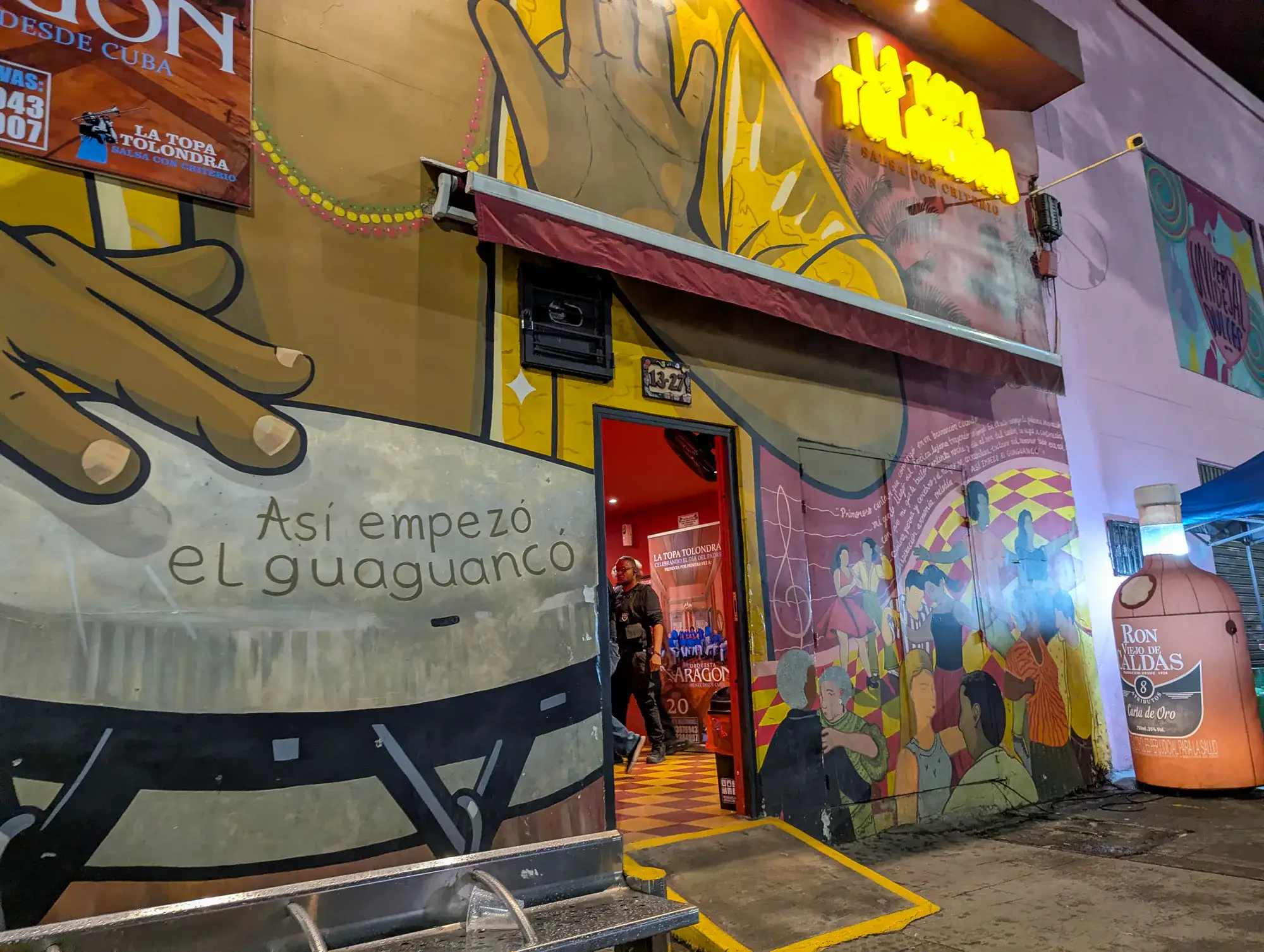
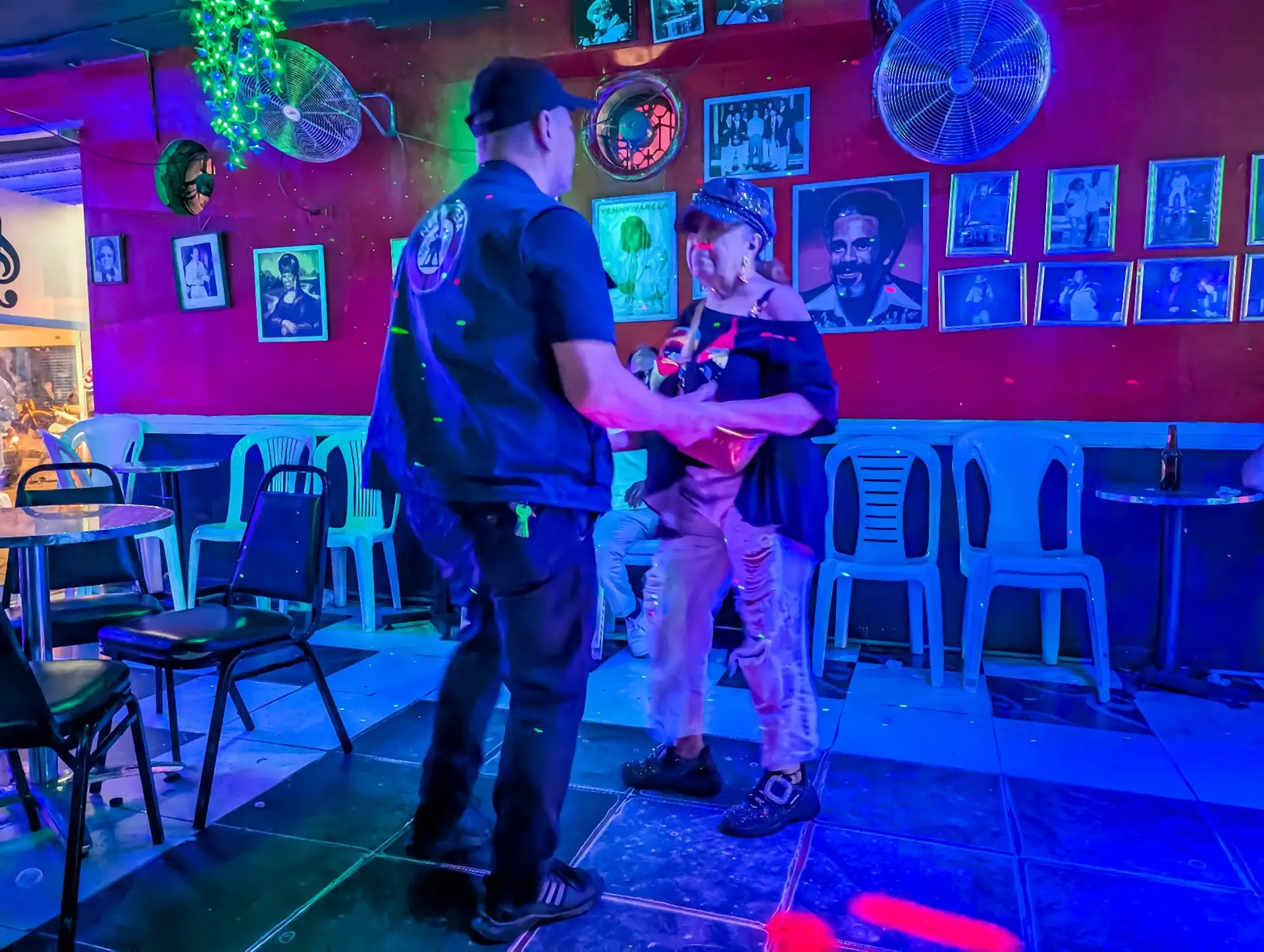
Its 2026 program lists 7 p.m. to 3 a.m., with a class from 7 to 9 p.m. on class nights. We have found no confirmation after the earthquake: check its Instagram before you go and bring your ID. To get back at night, use a registered taxi or an app and agree on the pickup point in advance.
If it rains
In the rain, go straight to Museo de la Salsa and La Topa Tolondra, and keep the plaza and the boulevard for another day.
If you need a slower day
Keep the afternoon: the plaza, the boulevard and Museo de la Salsa fit in before dinner.
With reduced mobility
The door opens onto the sidewalk, with a short ramp in front. Inside, the tables are close together and the floor fills up: ask for a spot near the entrance.
Select a stop to see the place.
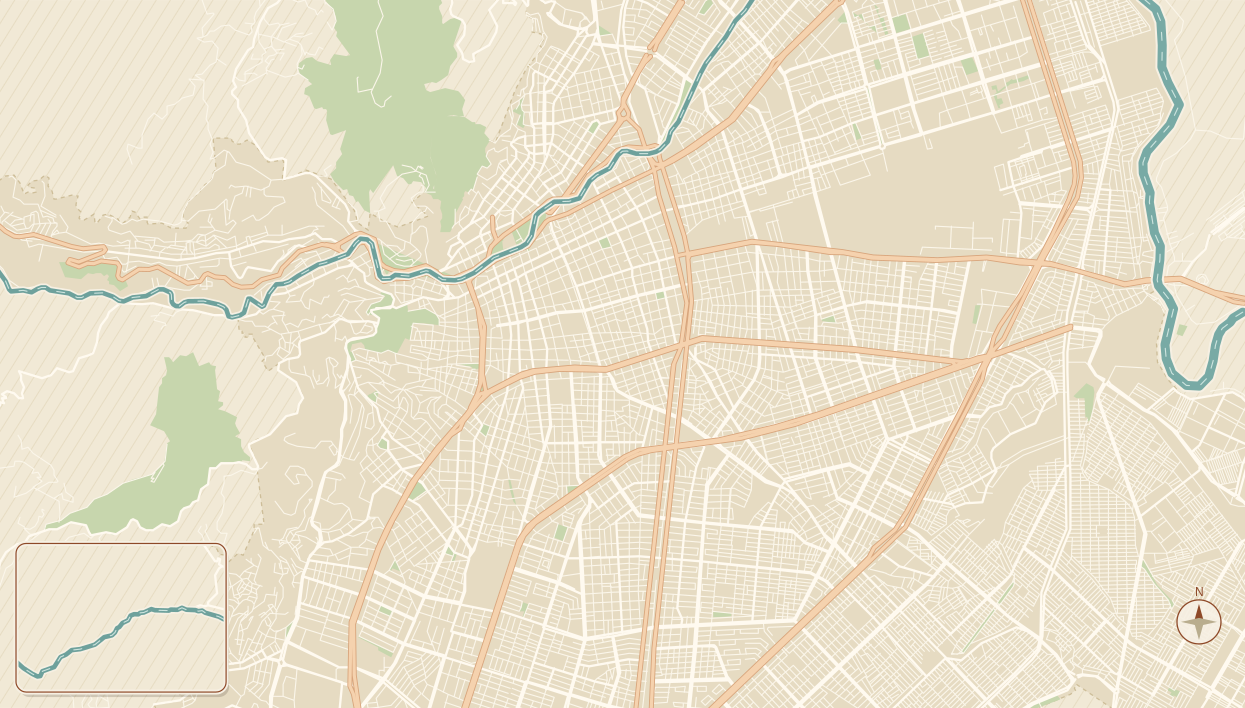
Select a stop to see the place.
Viewpoints West · Los Cristales hill
A monument from 1953. The sculpture was unveiled on October 25, 1953. Jesuit priest José María Arteaga championed the project, and Italian sculptor Tazzioli took charge of the work.
Hikes Northwest · guardian hill
Concrete crosses since 1938. The city received the monument on January 6, 1938. It replaced the three guadua bamboo crosses that, according to tradition, friars Vicente and Juan Cuesta carried up the hill in 1837.
History and heritage West · historic neighborhood
An eighteenth-century chapel. The chapel’s history goes back to the mid-eighteenth century. City records mention donations to build it as early as 1743.
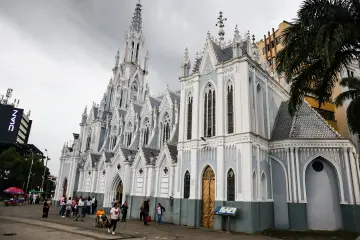
City life Downtown · Avenida Colombia
An avenue beneath your feet. Since 2013, Avenida Colombia has run through a four-lane tunnel 5.5 meters down. On top of it lies a promenade that links the riverbank with La Ermita and the Puente Ortiz.
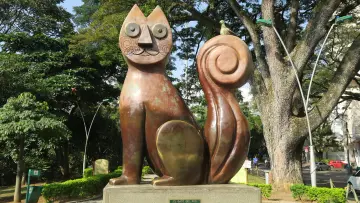
Outdoor art West · Cali River bank
A 3.5-meter bronze cat. Hernando Tejada donated the work to be cast at a monumental scale. It was unveiled in 1996 as part of a project to restore the Cali River’s banks.
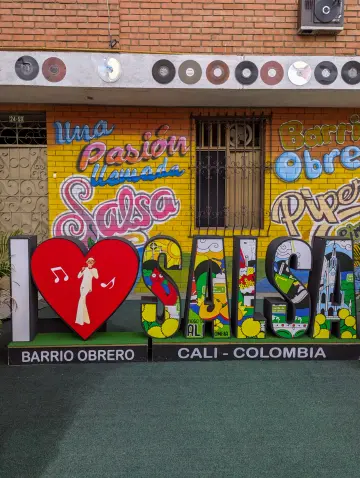
Salsa and culture Comuna 9 · near downtown
Salsa lives on in photographs. At the Museo de la Salsa, Carlos Alfredo Molina’s photographs trace different eras of music in Cali. Look for changes in the venues, costumes and dance styles.
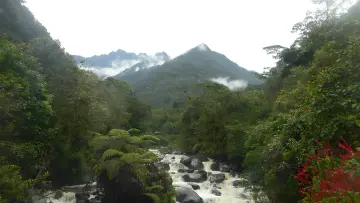
Nature South · Pance rural district
The river’s journey from the Farallones. The Pance starts high in the Farallones de Cali. It descends through humid forest, passes La Vorágine and eventually flows into the Jamundí River.
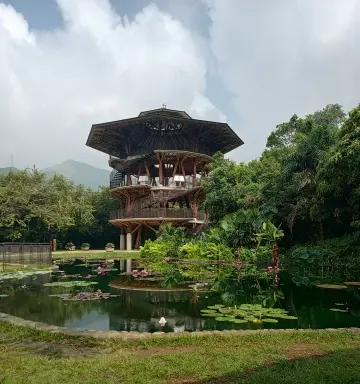
Forest and gardens West · Cali River bank
A forest that was almost lost. In 2002, the power company Epsa loaned 14 hectares holding one of the region’s last remnants of tropical dry forest. The garden closed in 2018 and reopened, renovated, on September 1, 2023.
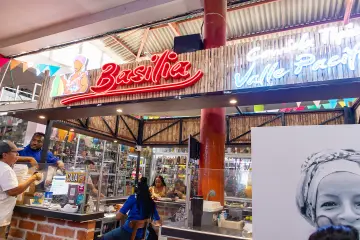
Markets and food Comuna 9 · La Alameda
A market run by its vendors. In 1994 the city handed the market to its own vendors as a concession, and they formed ASOALAMEDA. They took it over with its aisles in poor shape; today it is fully roofed, with renewed kitchens and water pipes.
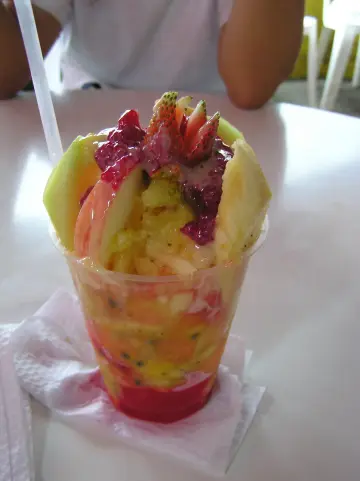
Street food Comuna 19 · Calle 9
A name with history. “Cholado” blends “cholos,” in tribute to the Indigenous and mestizo population, with “helado” or “raspado.” According to the city government, it was created to ease hangovers and reached Cali in the late 1980s.
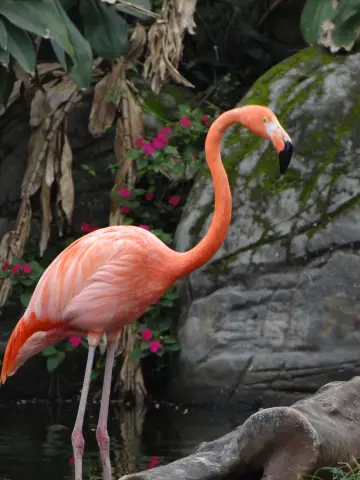
Wildlife West · Santa Teresita
The water people. That is what some Amazonian cultures call giant otters, an endangered species. In their zone, a maloca and an Amazon trail, the zoo has taken in otters rescued from illegal trafficking.
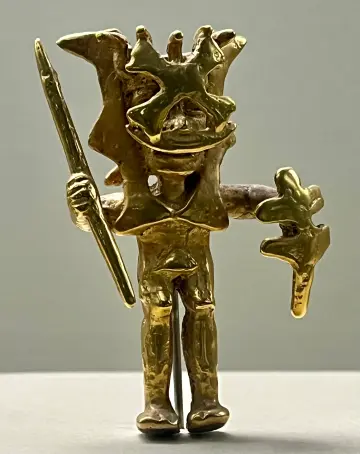
Museums Downtown · Calle 7
Look for the lost wax. The figures on Yotoco poporo pins were cast in lost wax: a wax model, a clay mold and molten gold in its place.
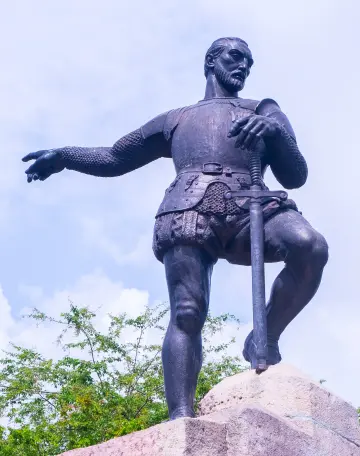
Viewpoints West · Arboledas
A bronze made in Spain. Victorio Macho made the statue in Spain. It was shipped to Buenaventura and, as its history tells, carried by mule to Cali, where it was unveiled on July 25, 1937.
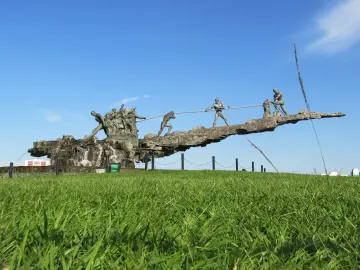
Outdoor art North · Avenida 3 Norte
The symbol of a city that helps itself. After the August 10, 2026 earthquake, the people of Cali formed human chains, cleared rubble and filled the collection centers. The September charity race finished here, and the Day of Cali’s Solidarity was proposed here.
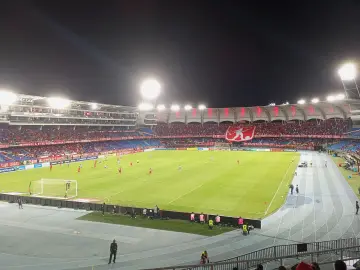
Football and concerts Comuna 19 · San Fernando
Look up at the West stand. The West stand’s roof dates from 1971: double-curved vaults just 5 cm thick on 18-meter cantilevers, designed by engineer Guillermo González Zuleta.
Salsa and public art Downtown · across from the CAM
A hidden name. Fredy Pantoja and Lucía Alba’s trumpet measures 8 by 8.5 meters and arrived in December 2015. Look for the letters: NICHE reads among its tubes.
Salsa and nightlife Downtown · Calle 5
A small bar that grew. It opened in 2011 on Calle 5. Carlos Alfonso Ospina kept making it bigger, and it now holds up to 700 people, with a stage for live bands.
Cali’s salsa, from the afternoon into the small hours